Sạch
Rèm kháng khuẩn ELERS MEDICAL được sản xuất với chất phụ gia kháng khuẩn đã được kiểm chứng tích hợp vào sợi vải, giúp giảm lượng vi khuẩn trên bề mặt vải. Vải rèm đã được chứng minh hiệu quả với nhiều vi sinh vật như MRSA, Staphylococcus aureus, Klebsiella pneumoniae và Escherichia coli, và hiệu quả của rèm đã được thử nghiệm độc lập theo tiêu chuẩn quốc tế về dệt may kháng khuẩn ISO 20743:2021. Dòng sản phẩm đầy đủ
Cả rèm kháng khuẩn và rèm tiêu chuẩn (không xử lý) đều có nhiều kích thước và màu sắc. Hỗ trợ phát triển bền vững Không còn quy trình giặt tốn thời gian, nước và chất tẩy rửa.
An toàn
An toàn hơn cho người bệnh, nhân viên và khách thăm. Rèm tuân thủ và được đăng ký theo quy định REACH và ECHA, cũng như với EPA tại Hoa Kỳ. Được sản xuất theo hệ thống quản lý chất lượng được chứng nhận ISO 9001:2015 và hệ thống quản lý môi trường ISO 14001:2015.
Thay thế dễ dàng và nhanh chóng
Rèm dùng một lần cải thiện vệ sinh bệnh viện mà không cần quy trình giặt, tiết kiệm thời gian và nguồn lực. Có nhiều hệ thống treo khác nhau, tương thích với hầu hết các hệ thống ray thông dụng.
Giải pháp tiết kiệm
Rèm dùng một lần được thay mới thay vì giặt, nên không cần giặt, sấy hay cất giữ rèm tái sử dụng.
Hiệu quả chi phí
Không cần giặt, không tốn chi phí đầu tư ban đầu. Tiết kiệm đáng kể so với rèm vải truyền thống.
Chứng nhận chậm cháy (FR) quốc tế
Cả rèm ngăn giường kháng khuẩn và rèm tiêu chuẩn đều có tính chậm cháy (FR) tự thân, và đặc tính này được duy trì ổn định trong suốt vòng đời sản phẩm. Đặc tính chậm cháy đã được thử nghiệm theo các tiêu chuẩn EN 13773, BS 5867: Part 2 Type C và NFPA 701.
Truy xuất dễ dàng
Nhãn tự kiểm tra và nhãn riêng tư được hàn nhiệt, có mã số định danh riêng để truy xuất nguồn gốc.
Có thể tái chế và thân thiện với môi trường
Chúng tôi sử dụng từ 10 đến 20% vật liệu tái chế trong sản xuất, và sau khi hết vòng đời, sản phẩm có thể được tái chế đến 100%.
Bệnh viện và phòng khám Cơ sở y tế và phòng khám ngoại trú Viện dưỡng lão và cơ sở hỗ trợ sinh hoạt Phòng mổ và khoa truyền nhiễm
Quý vị cần thêm lựa chọn đặt sàn hoặc gắn tường? Hãy xem vách ngăn di động và gắn tường của chúng tôi.
Dòng rèm
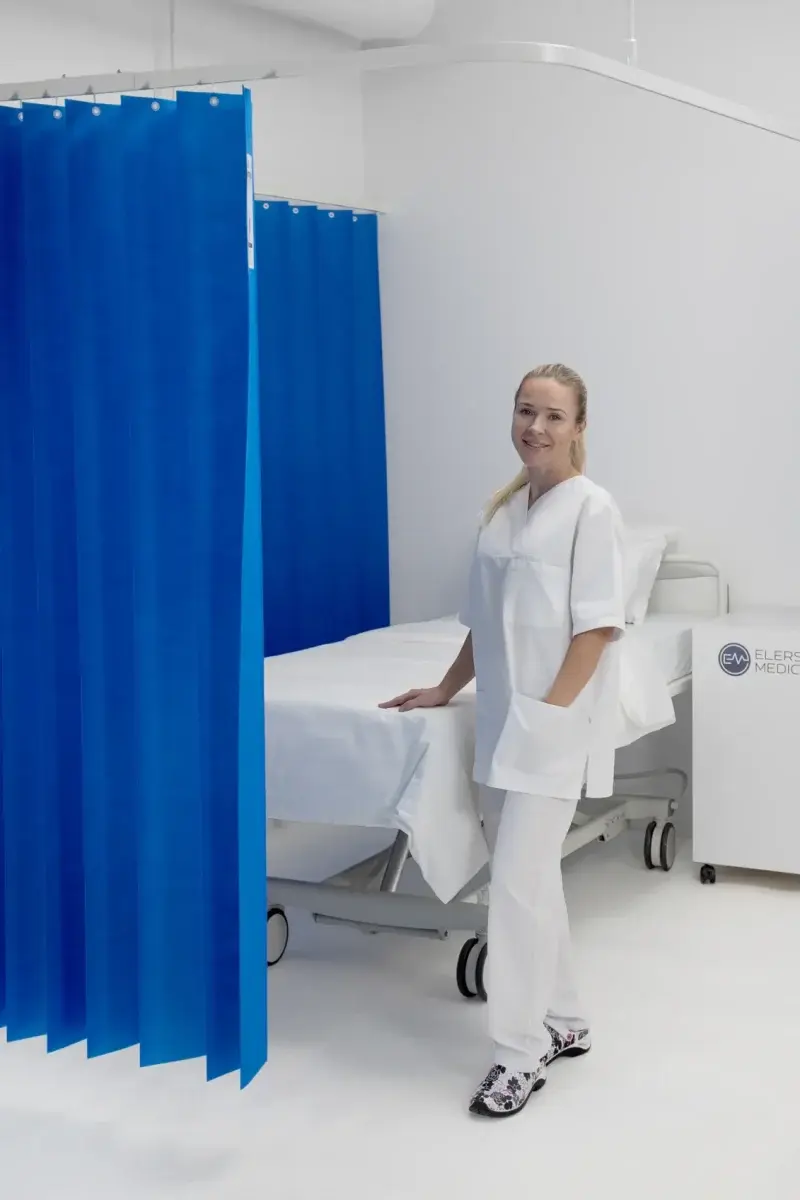
Rèm ngăn giường ELERS MEDICAL® có loại kháng khuẩn hoặc loại tiêu chuẩn không xử lý kháng khuẩn. Cả hai đều có đặc tính chậm cháy như nhau trong suốt vòng đời. Rèm có nhiều kích thước, kiểu cắt và màu sắc, và có thể đặt làm theo yêu cầu.
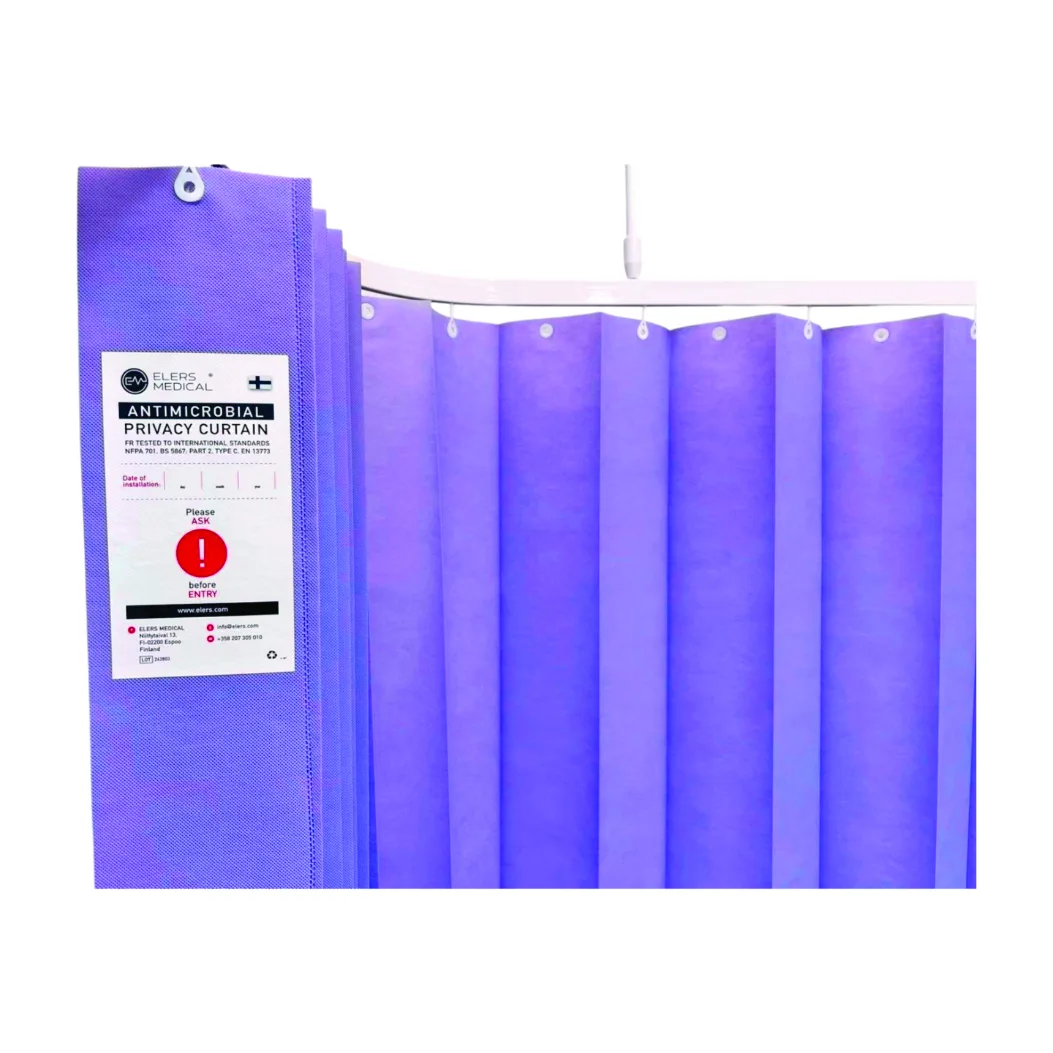
Dành cho khu vực đặt an toàn người bệnh lên hàng đầu. Khả năng kháng khuẩn được tích hợp vào vải không dệt ngay từ khâu sản xuất, và vật liệu được thử nghiệm theo ISO 20743:2021 với MRSA và các vi sinh vật khác trong suốt vòng đời của rèm.
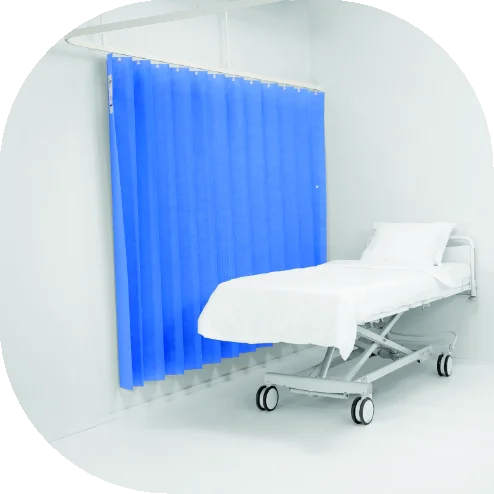
Rèm chi phí thấp cho khu vực ít rủi ro và có lượng người bệnh luân chuyển cao. Cùng kích thước, màu sắc và khả năng chống cháy như rèm kháng khuẩn.
Rèm kín toàn phần, không có lỗ cắt hay phần lưới. 11 màu và họa tiết in bóng bay, tất cả đều có loại kháng khuẩn và tiêu chuẩn.
Các lỗ thông giúp không khí lưu thông quanh giường và cho phép hệ thống phun nước chữa cháy trên trần hoạt động. Có loại kháng khuẩn và tiêu chuẩn.
Lựa chọn phù hợp cho ray gắn trần. Có loại kháng khuẩn và tiêu chuẩn.
Được thiết kế và phát triển bởi ELERS MEDICAL tại Phần Lan.
Màu tiêu chuẩn và họa tiết in
Mọi màu và họa tiết bóng bay đều có dạng rèm kháng khuẩn và rèm tiêu chuẩn, với kiểu kín toàn phần, đục lỗ và phần trên bằng lưới. Có màu và họa tiết in theo yêu cầu; áp dụng số lượng đặt hàng tối thiểu.
Màu hiển thị trên màn hình chỉ mang tính tham khảo. Hãy yêu cầu chúng tôi gửi mẫu vải trước khi đặt hàng.
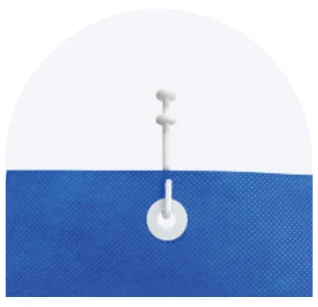
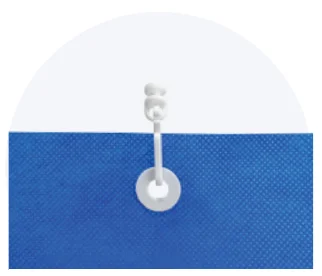
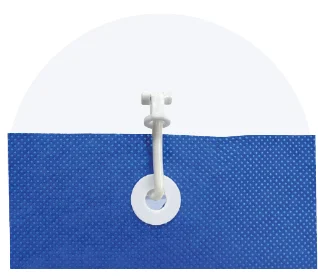
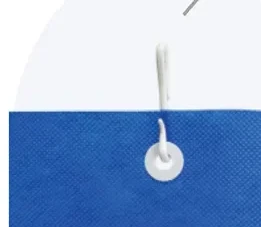
Hướng dẫn chọn móc
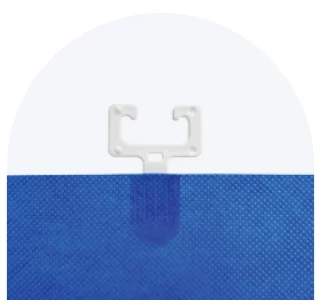
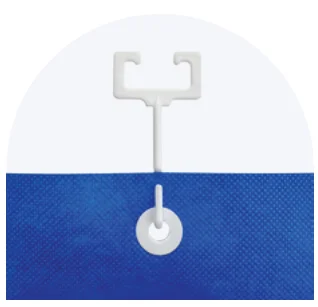
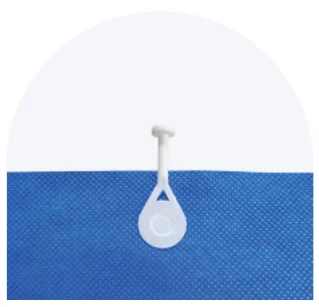
Rèm ELERS MEDICAL tương thích với hầu hết các loại ray rèm thông dụng trong môi trường y tế và có thể cung cấp kèm móc hoặc chỉ có khoen. Các lựa chọn của chúng tôi giúp lắp đặt liền mạch với hệ thống móc và con trượt hiện có. Quý vị chưa chắc cần loại nào? Hãy gửi cho chúng tôi hãng và mẫu ray, hoặc ảnh chụp thanh ray và móc hiện tại.
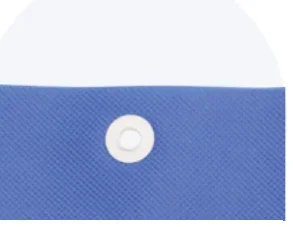
Kích thước và đóng gói
Đo chiều dài thanh ray mà rèm cần che và chọn rèm có chiều rộng sử dụng phù hợp. Chiều rộng sử dụng đã tính đến các nếp gấp khi rèm được treo.
| Rộng \ cao | 2,0 m | 2,2 m | 2,4 m | 2,5 m | 2,6 m |
|---|---|---|---|---|---|
| 1.95 | 18 | 16 | 15 | 14 | 14 |
| 2.40 | 14 | 13 | 12 | 11 | 11 |
| 2.55 | 14 | 13 | 11 | 10 | 9 |
| 3.60 | 12 | 11 | 10 | 10 | 9 |
| 3.75 | 12 | 11 | 10 | 10 | 9 |
| 4.20 | 10 | 9 | 8 | 8 | 8 |
| 4.50 | 9 | 8 | 8 | 7 | 7 |
| 5.55 | 8 | 7 | 7 | 6 | 6 |
| 7.20 | 6 | 6 | 5 | 5 | 5 |
| 7.50 | 6 | 5 | 4 | 4 | 4 |
| Chiều rộng rèm (m) | Chiều rộng sử dụng xấp xỉ (m) |
|---|---|
| 1.95 | 1.55 |
| 2.40 | 1.80 |
| 2.55 | 2.05 |
| 3.60 | 2.80 |
| 3.75 | 2.90 |
| 4.20 | 3.40 |
| 4.50 | 3.60 |
| 5.55 | 4.30 |
| 7.20 | 5.60 |
| 7.50 | 5.75 |
Có các chiều cao khác theo yêu cầu. Trọng lượng thùng khoảng 10,5 kg. Kích thước thùng 120 × 16,5 × 40 cm.
Hướng dẫn lắp đặt
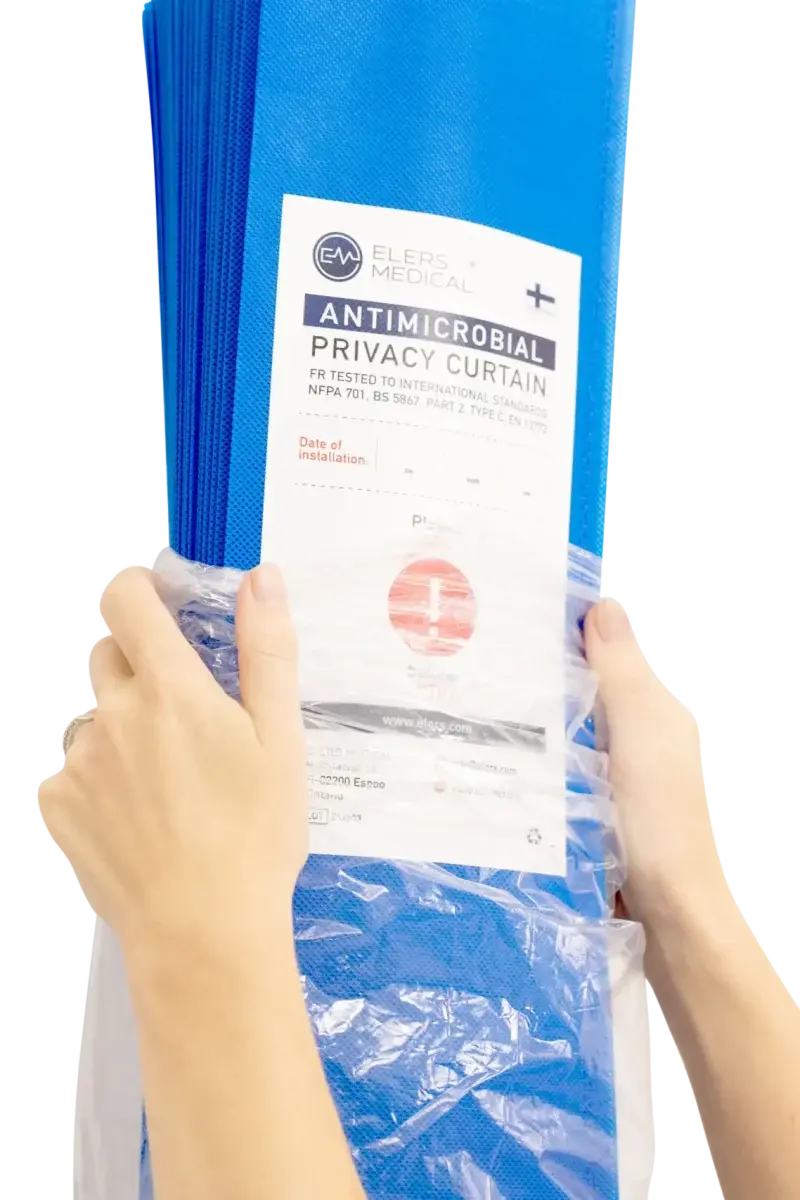
Kéo vỏ bọc nhựa xuống để lộ nhãn tự kiểm tra và ghi ngày lắp đặt.
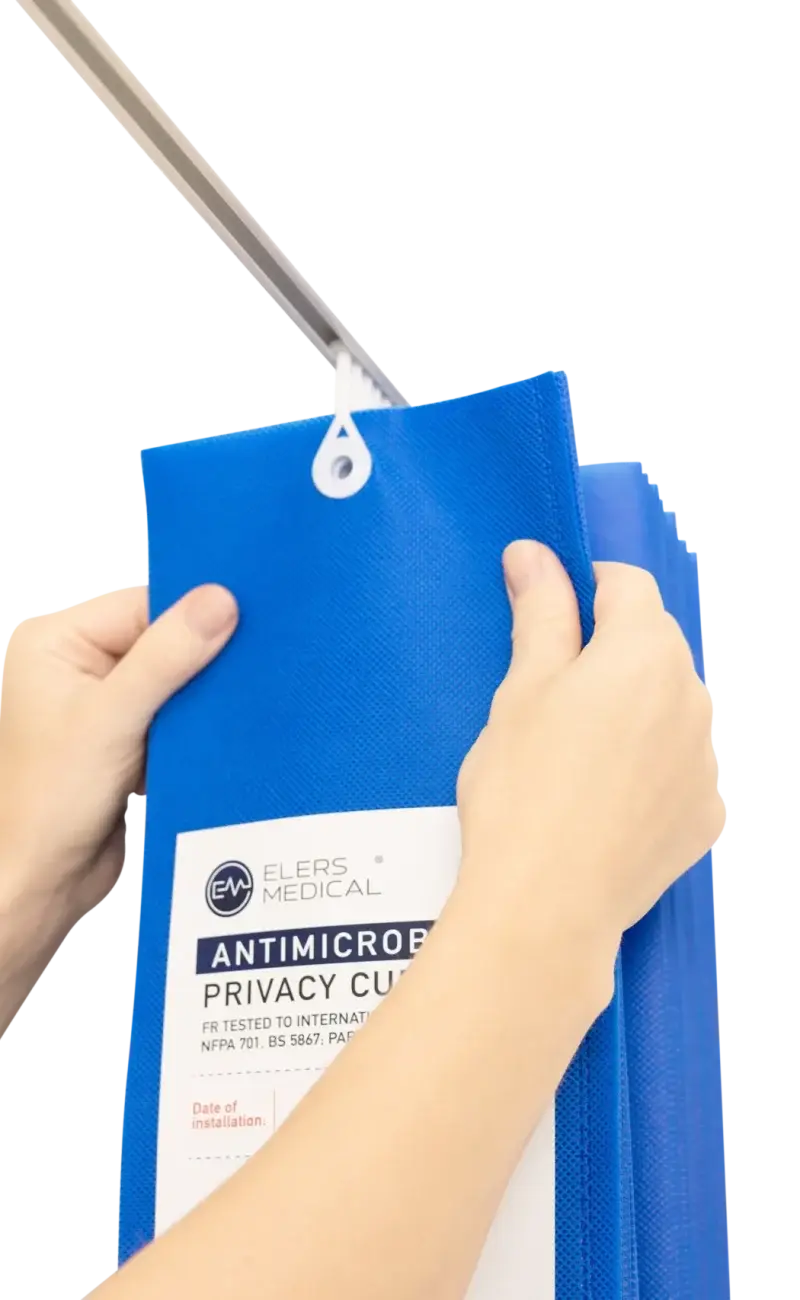
Gắn móc trực tiếp lên ray. Rèm được cung cấp theo yêu cầu của Quý vị, kèm móc hoặc chỉ có khoen.
Tháo hoàn toàn vỏ bọc nhựa sau khi đã treo rèm.
Bảo quản rèm ở nơi khô ráo, nhiệt độ phòng bình thường, đặt thùng thẳng đứng.
Chúng tôi khuyến nghị thay rèm mỗi 6 đến 12 tháng, hoặc thay ngay nếu rèm bị bẩn hay nhiễm bẩn rõ rệt. Quy định của bệnh viện Quý vị sẽ quyết định lịch thay cuối cùng.
Vải rèm làm từ polypropylene (PP), móc và khoen bằng nhựa. Rèm có thể được tái chế hoặc thải bỏ theo quy trình của bệnh viện tại địa phương.
Thử nghiệm độc lập
Được thử nghiệm theo ISO 20743:2021, vật liệu rèm kháng khuẩn làm giảm nhiều loại mầm bệnh ở mức trên log 3 (99,9%).
Có thể thử nghiệm thêm theo yêu cầu.
Giá trị kháng khuẩn (A): 2 ≤ A < 3 đáng kể, A ≥ 3 mạnh. Thử nghiệm thực hiện trong điều kiện phòng thí nghiệm. Kết quả đầy đủ được cung cấp theo yêu cầu.
Chậm cháy trong suốt vòng đời của rèm.
Nghiên cứu đã công bố
Rèm ngăn giường được chạm vào liên tục nhưng hiếm khi được thay. Các nghiên cứu được bình duyệt này cho thấy rèm thông thường nhiễm bẩn nhanh như thế nào, và vật liệu kháng khuẩn chứa bạc giúp gì trong việc này.
“By day 3, test curtains showed increased microbial contamination (mean colony-forming units [CFU]/cm2 = 1.17) compared to control curtains (mean CFU/cm2 = 0.19). Test curtains became increasingly contaminated over time, with mean CFU/cm2 for days 17 and 21 of 1.86 and 5.11, respectively. By day 10, 1/8 test curtains tested positive for MRSA, and 5/8 were positive by day 14. Patient privacy curtains became progressively contaminated with bacteria, including MRSA. Between days 10 and 14 after being hung, curtains showed increased MRSA positivity. This may represent an opportune time to intervene, either by cleaning or replacing the curtains.”
“There was a statistically significant difference for the contact (t = 2.10, P =.047) and noncontact (t = 2.62, P =.016) rooms, with the edges having a significantly higher median than the middles. Pathogens such as methicillin-resistant Staphylococcus aureus, Enterococcus, Klebsiella, and Acinetobacter were found on the curtains, though at lower rates than in previous studies. Opportunistic fungi were also found on all curtains. Conclusions: Results of this study confirm that hospital curtains, most notably the edge but also the middle, are contaminated with pathogens, and that these areas are frequently touched by health care workers in between hand hygiene.”
“The cumulative contamination rate of the hospital privacy curtains increased over time (week 2: 15.6%, week 4: 37.0%, and week 8: 55%). Methicillin-resistant Staphylococcus aureus was not isolated from either the control or the hospital curtains during the study period. Vancomycin-resistant enterococci was not isolated from the control curtains but was isolated from 11.8% (4/34) of the hospital curtains. The contamination rate of the hospital curtains increased over time and showed a tendency to rise with an increase in the number of beds in a room.”
“Participants hands were heavily contaminated at baseline, in some cases with potentially pathogenic species. Half of the participants (n=30) acquired bacteria on their fingertips from handling curtains, illustrating that privacy curtains may be involved in the transmission of infection to emergency department patients.”
“In a culture survey (n=50), we found that 42% of hospital privacy curtains were contaminated with a antibiotic-resistant enterococci, 22% with methicillin-resistant Staphylococcus aureus, and 4% with Clostridium difficile. Hand imprint cultures demonstrated that these pathogens were easily acquired on hands. Hospital curtains are a potential source for dissemination of healthcare-associated pathogens.”
“From 32 curtains sampled, a total of 59 isolations were obtained, from those, 47 (79.6%) were considered potentially clinically relevant (Table 2), highlighting bacteria as Methicillin-resistant S. haemolyticus (MRSH), Methicillin-resistant S. cohnii (MRSC), MRSE, Methicillin-resistant S. saprophyticus (MRSS), Moraxella sp., Acinetobacter ursingii, AMP-C producer Pseudomonas oryzihabitans, Pantoea agglomerans, and Sphingomonas paucimobilis… There are significant opportunities to reduce patient exposure to frequently pathogenic bacteria in the hospital setting; patients are likely exposed to many bacteria through direct contact with white coats, curtains, and ties.”
“Twelve of 13 curtains (92%) placed during the study showed contamination within 1 week. Forty-one of 43 curtains (95%) demonstrated contamination on at least 1 occasion, including 21% with MRSA and 42% with VRE. Eight curtains yielded VRE at multiple time points: 3 with persistence of a single isolate type and 5 with different types, suggesting frequent recontamination. Privacy curtains are rapidly contaminated with potentially pathogenic bacteria.”
“Privacy curtain contamination on the burns/plastic surgery ward was determined for two separate occasions six months apart: 23 curtains on August 2015 and 26 curtains on January 2016… Curtain contamination in August 2015 was 0.7–4.7 cfu/cm2 with 22% testing positive for MRSA, whereas contamination on January 2016 was 0.6–13.3 cfu/cm2 with 31% of curtains testing positive for MRSA. Curtains on the burns/plastic surgery ward become colonized with significant quantities of bacteria.”
“Environmental screening revealed the presence of the multiple-resistant Acinetobacter species on fomite surfaces in the intensive care unit and bed linen. The major source appeared to be the curtains surrounding patients' beds. Typing by pulsed field gel electrophoresis demonstrated that the patients' isolates and those from the environment were indistinguishable… This outbreak also highlights environmental sources, particularly dry fabrics such as curtains, as an important reservoir for dissemination of acinetobacters.”
“The purpose of this study was to determine the survival of 22 gram-positive bacteria (vancomycin-sensitive and -resistant enterococci and methicillin-sensitive and -resistant staphylococci) on five common hospital materials: smooth 100% cotton (clothing), 100% cotton terry (towels), 60% cotton–40% polyester blend (scrub suits and lab coats), 100% polyester (privacy drapes), and 100% polypropylene plastic (splash aprons)… All isolates survived for at least 1 day, and some survived for more than 90 days on the various materials… The long survival of these bacteria, including MRSA and VRE, on commonly used hospital fabrics, such as scrub suits, lab coats, and hospital privacy drapes, underscores the need for meticulous contact control procedures and careful disinfection to limit the spread of these bacteria.”
“Curtains in the experimental group demonstrated significantly lower bacterial contamination than controls at all time points (P < .001). Peak contamination in the control group reached 2.1 CFU/cm² at day 30, whereas experimental curtains maintained contamination below 0.2 CFU/cm² throughout. Cost analysis revealed a 59.42% reduction in cumulative curtain-related expenditures in the experimental group. Antimicrobial disposable curtains offer superior microbial control and substantial cost savings. Integration of such curtains into infection prevention protocols may enhance environmental hygiene and resource optimization in critical care settings.”
“Bacteria were exposed to the silver ion solution for various lengths of time, and the antibacterial effect of the solution was tested… Reductions of more than 5 log10 CFU/ml of both S. aureus and E. coli bacteria were confirmed after 90 min of treatment with the silver ion solution. Significant reduction of S. aureus and E. coli cells was also observed by FC analysis… In conclusion, the results of the present study suggest that silver ions may cause S. aureus and E. coli bacteria to reach an ABNC state and eventually die.”
“A declining pipeline of clinically useful antibiotics has made it imperative to develop more effective antimicrobial therapies, particularly against difficult-to-treat Gram-negative pathogens. Silver has been used as an antimicrobial since antiquity, yet its mechanism of action remains unclear. We show that silver disrupts multiple bacterial cellular processes, including disulfide bond formation, metabolism, and iron homeostasis. These changes lead to increased production of reactive oxygen species and increased membrane permeability of Gram-negative bacteria that can potentiate the activity of a broad range of antibiotics against Gram-negative bacteria in different metabolic states, as well as restore antibiotic susceptibility to a resistant bacterial strain… This work shows that silver can be used to enhance the action of existing antibiotics against Gram-negative bacteria, thus strengthening the antibiotic arsenal for fighting bacterial infections.”
“The resulting silver sulfadiazine–immobilized celluloses provided a 6-log reduction of 10^8 CFU mL−1 of Staphylococcus aureus (Gram-positive bacteria), Escherichia coli (Gram-negative bacteria), methicillin-resistant Staphylococcus aureus (drug-resistant bacteria), vancomycin-resistant Enterococcus faecium (drug-resistant bacteria), and Candida albicans (fungi) in 30–60 minutes, and a 5-log reduction of 10^7 PFU mL−1 of MS2 virus in 120 minutes. The antibacterial, antifungal, and antiviral activities were both durable and rechargeable. Additionally, trypan blue assay suggested that the new silver sulfadiazine–immobilized celluloses sustained excellent mammal cell viability, pointing to great potentials of the new materials for a broad range of health care–related applications.”
ELERS MEDICAL®
Elers Medical Finland Oy có hai chứng nhận hệ thống quản lý: ISO 9001:2015 và ISO 14001:2015 về quản lý môi trường.
Đo chiều dài thanh ray Quý vị muốn rèm che, sau đó dùng chiều rộng sử dụng khi treo để chọn rèm che đủ khi có nếp gấp. Chiều rộng tiêu chuẩn từ 1,95 m đến 7,50 m và chiều cao từ 2,0 m đến 2,6 m. Rèm 1,95 m che khoảng 1,55 m ray và rèm 7,50 m che khoảng 5,75 m. Có chiều rộng và chiều cao theo yêu cầu; có thể áp dụng số lượng đặt hàng tối thiểu và thời gian giao hàng dài hơn.
Rèm ELERS MEDICAL phù hợp với hầu hết hệ thống ray rèm bệnh viện khi dùng móc thích hợp. Có loại chỉ có khoen để dùng với móc hiện có tương thích. Nếu Quý vị chưa chắc nên đặt loại phụ kiện nào, hãy gửi cho chúng tôi hãng và mẫu ray hoặc ảnh chụp thanh ray và móc hiện có, chúng tôi sẽ giúp xác định phụ kiện phù hợp.
Có. ELERS MEDICAL sử dụng phụ gia chậm cháy không chứa halogen trong vải rèm. Hồ sơ về khả năng chống cháy được cung cấp theo yêu cầu, bao gồm kết quả thử nghiệm BS 5867-2:2008 Type C và NFPA 701, cùng phân loại theo EN 13773.
Xử lý này được thiết kế để ức chế sự phát triển của vi khuẩn trên vải rèm. Vải đã được thử nghiệm theo ISO 20743, phương pháp thử quốc tế để đo hoạt tính kháng khuẩn của vật liệu dệt. Hồ sơ thử nghiệm được cung cấp theo yêu cầu.
ELERS MEDICAL khuyến nghị thay rèm mỗi 6 đến 12 tháng, hoặc sớm hơn nếu chính sách kiểm soát nhiễm khuẩn của bệnh viện yêu cầu. Tuân theo lịch thay của từng khu vực lâm sàng tại địa phương. Thay rèm ngay nếu rèm bị nhiễm bẩn rõ rệt bởi máu hoặc dịch cơ thể khác.
Mỗi tấm rèm có nhãn tự kiểm tra ở nếp gấp phía trước, nơi nhân viên ghi ngày treo rèm. Dựa vào ngày này, nhân viên có thể kiểm tra lần thay rèm gần nhất và tính thời điểm thay định kỳ tiếp theo.
Dòng sản phẩm gồm Pacific Blue, Summer Blue, Light Blue, Light Green, Pastel Yellow, Latte, Forest Green, Battleship Grey, Lilac, Pink, White và Balloon Print. Có thể có màu khác theo yêu cầu, tùy thuộc số lượng đặt hàng tối thiểu và thời gian giao hàng.
Khi tháo và thải bỏ rèm đã qua sử dụng, hãy tuân theo chính sách chất thải của bệnh viện và quy trình kiểm soát nhiễm khuẩn tại địa phương, đồng thời dựa vào đó để xác định loại chất thải phù hợp, ví dụ chất thải y tế lây nhiễm hoặc chất thải thông thường. Vải rèm làm từ 100% polypropylene. Việc rèm đã qua sử dụng có thể tái chế hay không phụ thuộc vào phân loại chất thải và yêu cầu của đơn vị xử lý chất thải hoặc chính sách kiểm soát nhiễm khuẩn tại địa phương.
Hãy cho chúng tôi biết Quý vị cần loại rèm nào, chúng tôi sẽ gửi báo giá.