清潔
ELERS MEDICALの抗菌カーテンは、実績のある抗菌剤を繊維に練り込んで製造されており、生地表面の細菌数の低減に役立ちます。カーテン生地はMRSA、Staphylococcus aureus、Klebsiella pneumoniae、Escherichia coliなど複数の菌に対する有効性が確認されており、その効果は国際的に認められた抗菌繊維製品の規格ISO 20743:2021に基づいて第三者機関で試験されています。 充実の製品ラインアップ
抗菌カーテン、標準(加工なし)カーテンともに、豊富なサイズとカラーをご用意しています。 持続可能な社会への貢献 時間と水、洗剤を消費する洗濯工程はもう必要ありません。
安全
患者、医療従事者、来院者にとってより安全です。カーテンはREACHおよびECHAの規制に適合・登録されており、米国EPAにも登録されています。認証取得済みの品質マネジメントシステムISO 9001:2015および環境マネジメントシステムISO 14001:2015のもとで製造されています。
簡単・迅速な交換
使い捨てカーテンなら洗濯工程なしで病院の衛生環境を改善でき、時間と資源を節約できます。一般的なレールシステムの大半に対応する、幅広い吊り下げ方式をご用意しています。
経済的なソリューション
使い捨てカーテンは洗濯せずに交換するため、再利用カーテンの洗濯、乾燥、保管が不要です。
費用対効果
洗濯も高額な初期投資も不要です。従来の布製カーテンと比べて大幅なコスト削減につながります。
国際的な難燃(FR)認証
抗菌タイプ、標準タイプの間仕切りカーテンはいずれも素材自体が難燃性(FR)を備え、その性能は製品のライフサイクル全体を通じて変わりません。難燃性はEN 13773、BS 5867: Part 2 Type C、NFPA 701の各規格に基づいて試験されています。
簡単なトレーサビリティ
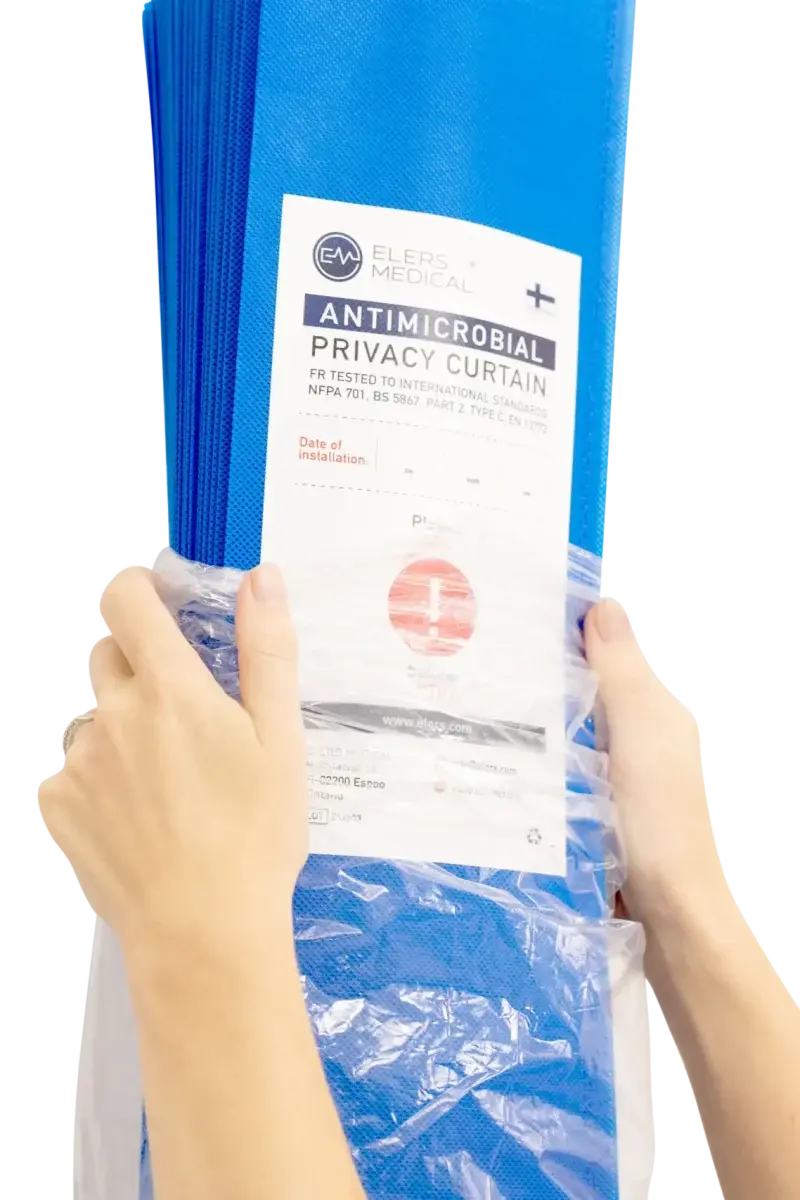
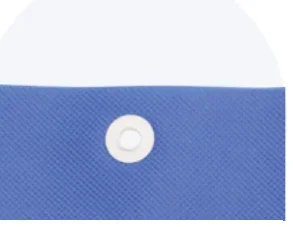
トレーサビリティのための固有の識別番号付き、熱圧着式の自己管理ラベルとプライバシーラベル。
リサイクル可能で環境にやさしい
製造には10〜20%の再生素材を使用しており、使用後は最大100%リサイクルが可能です。
病院・クリニック 医療機関・外来診療所 介護施設・高齢者住宅 手術室・感染症病棟
自立式や壁付け式もご検討ですか?こちらをご覧ください: 移動式・壁付け式パーテーション.
カーテンのラインアップ
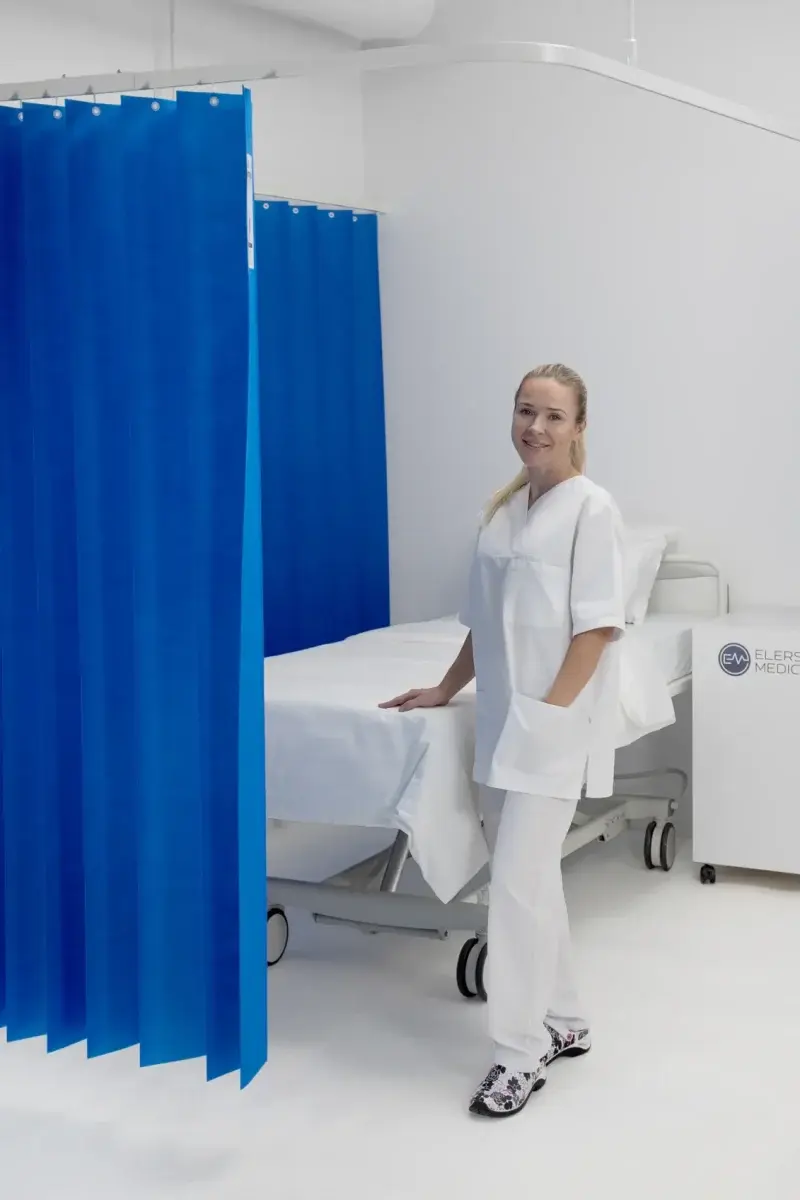
ELERS MEDICAL®の間仕切りカーテンには、抗菌加工タイプと、抗菌加工なしの標準タイプがあります。どちらもライフサイクル全体を通じて同じ難燃性を備えています。サイズ、形状、カラーを豊富に揃えており、特注にも対応いたします。
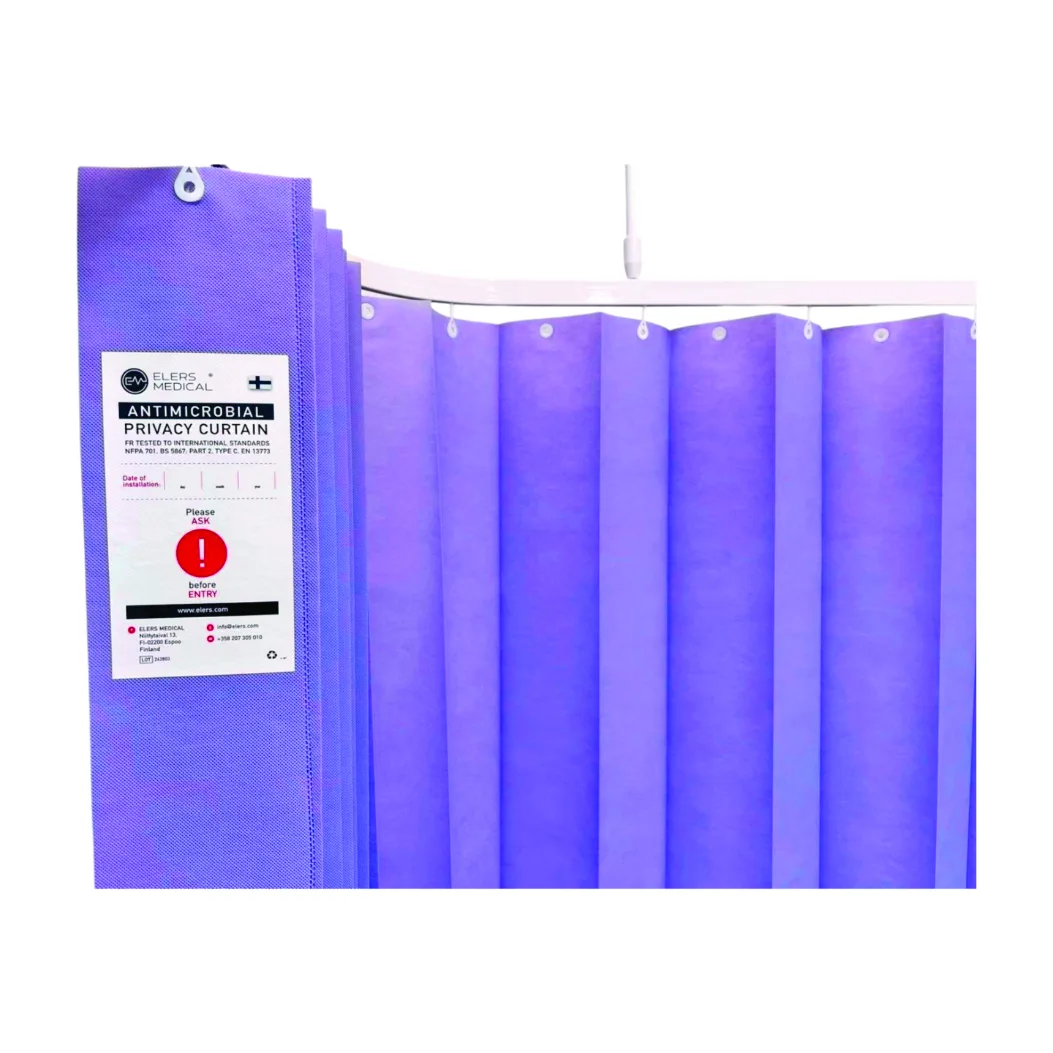
患者の安全が最優先されるエリアに。抗菌性能は製造段階で不織布に付与されており、素材はISO 20743:2021に基づき、カーテンのライフサイクル全体を通じてMRSAなどの菌に対して試験されています。
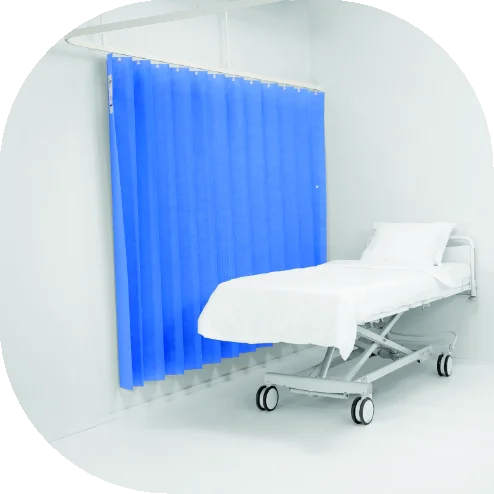
リスクが低く患者の入れ替わりが多いエリア向けの低コストなカーテン。サイズ、カラー、防火性能は抗菌タイプと同じです。
切り抜きやメッシュ部のない全面タイプ。11色とバルーン柄のプリントがあり、いずれも抗菌タイプと標準タイプをご用意しています。
開口部によりベッド周りの空気が循環し、天井設置のスプリンクラーも作動します。抗菌タイプと標準タイプがあります。
天井固定式レールに最適です。抗菌タイプと標準タイプがあります。
フィンランドのELERS MEDICALが設計・開発。
標準カラーとプリント柄
すべてのカラーとバルーン柄は、全面タイプ、パンチングタイプ、上部メッシュタイプで、抗菌カーテンと標準カーテンのいずれもご用意しています。特注のカラーやプリントにも対応いたします。最低ご注文数量があります。
画面上の色は目安です。ご注文前に生地サンプルをご請求ください。
フックガイド
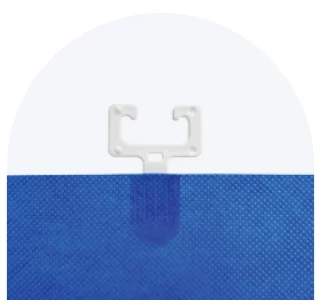
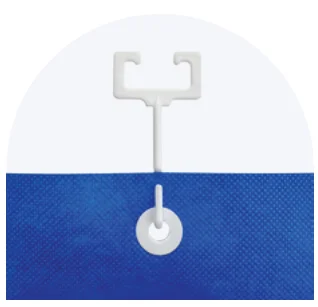
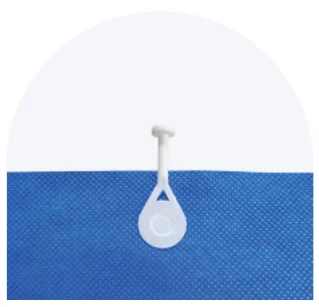
ELERS MEDICALのカーテンは、医療現場で使われる一般的なカーテンレールの大半に対応しており、フック付き、またはハトメのみでお届けできます。豊富な選択肢により、既存のフックやランナーとスムーズに組み合わせられます。どれが必要か分からない場合は、レールのメーカーと型番、またはレールと現在のフックの写真をお送りください。
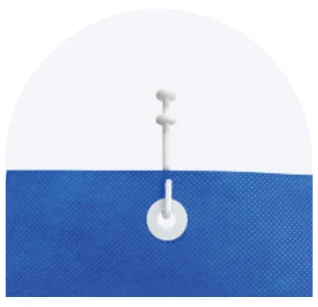
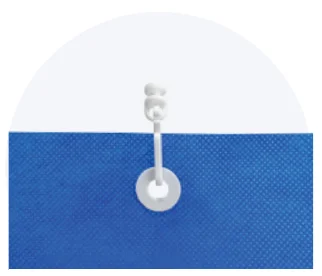
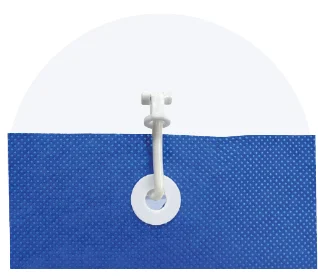
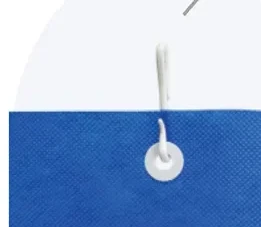
サイズと梱包
カーテンで覆うレールの長さを測り、有効幅がその長さに合うカーテンをお選びください。有効幅は、吊り下げたときのひだを考慮した幅です。
| 幅 \ 丈 | 2.0 m | 2.2 m | 2.4 m | 2.5 m | 2.6 m |
|---|---|---|---|---|---|
| 1.95 | 18 | 16 | 15 | 14 | 14 |
| 2.40 | 14 | 13 | 12 | 11 | 11 |
| 2.55 | 14 | 13 | 11 | 10 | 9 |
| 3.60 | 12 | 11 | 10 | 10 | 9 |
| 3.75 | 12 | 11 | 10 | 10 | 9 |
| 4.20 | 10 | 9 | 8 | 8 | 8 |
| 4.50 | 9 | 8 | 8 | 7 | 7 |
| 5.55 | 8 | 7 | 7 | 6 | 6 |
| 7.20 | 6 | 6 | 5 | 5 | 5 |
| 7.50 | 6 | 5 | 4 | 4 | 4 |
| カーテン幅(m) | 有効幅の目安(m) |
|---|---|
| 1.95 | 1.55 |
| 2.40 | 1.80 |
| 2.55 | 2.05 |
| 3.60 | 2.80 |
| 3.75 | 2.90 |
| 4.20 | 3.40 |
| 4.50 | 3.60 |
| 5.55 | 4.30 |
| 7.20 | 5.60 |
| 7.50 | 5.75 |
その他の丈もご要望に応じて製作します。ケース重量約10.5 kg。ケース寸法120 × 16.5 × 40 cm。
取り付けガイド
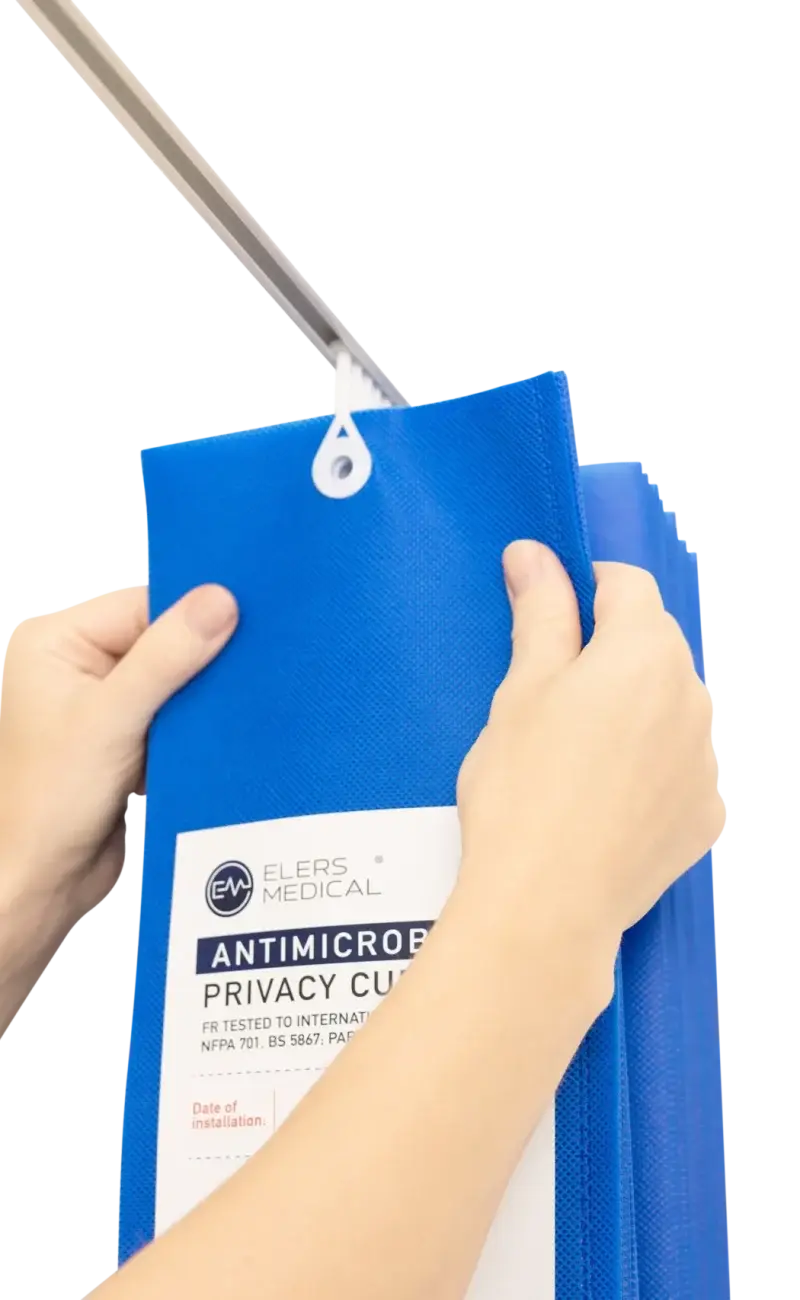
プラスチックカバーを下げて自己管理ラベルを出し、取り付け日を記入します。
フックをレールに直接掛けます。カーテンはご要望に応じて、フック付きまたはハトメのみでお届けします。
カーテンを吊り下げたら、プラスチックカバーを完全に取り外します。
カーテンは乾燥した場所で、通常の室温のもと、箱を立てた状態で保管してください。
カーテンは6〜12か月ごと、または目に見える汚れや汚染があった場合は直ちに交換することをおすすめします。最終的な交換時期は貴院の規定に従ってください。
カーテン生地はポリプロピレン(PP)製で、フックとハトメはプラスチック製です。カーテンは各病院の規定に従ってリサイクルまたは廃棄できます。
第三者機関による試験
ISO 20743:2021に基づく試験で、抗菌カーテン素材は幅広い病原体をlog 3(99.9%)超減少させました。
追加試験はご要望に応じて対応いたします。
抗菌活性値(A):2 ≤ A < 3 有意、A ≥ 3 強い。試験は実験室条件下で実施。試験結果一式はご要望に応じてお送りします。
カーテンの使用期間を通じて難燃性を維持。
公開研究
間仕切りカーテンは頻繁に触れられる一方、交換される機会はまれです。これらの査読済み研究は、一般的なカーテンがいかに早く汚染されるか、そして銀を用いた抗菌素材がそれにどう作用するかを示しています。
“By day 3, test curtains showed increased microbial contamination (mean colony-forming units [CFU]/cm2 = 1.17) compared to control curtains (mean CFU/cm2 = 0.19). Test curtains became increasingly contaminated over time, with mean CFU/cm2 for days 17 and 21 of 1.86 and 5.11, respectively. By day 10, 1/8 test curtains tested positive for MRSA, and 5/8 were positive by day 14. Patient privacy curtains became progressively contaminated with bacteria, including MRSA. Between days 10 and 14 after being hung, curtains showed increased MRSA positivity. This may represent an opportune time to intervene, either by cleaning or replacing the curtains.”
“There was a statistically significant difference for the contact (t = 2.10, P =.047) and noncontact (t = 2.62, P =.016) rooms, with the edges having a significantly higher median than the middles. Pathogens such as methicillin-resistant Staphylococcus aureus, Enterococcus, Klebsiella, and Acinetobacter were found on the curtains, though at lower rates than in previous studies. Opportunistic fungi were also found on all curtains. Conclusions: Results of this study confirm that hospital curtains, most notably the edge but also the middle, are contaminated with pathogens, and that these areas are frequently touched by health care workers in between hand hygiene.”
“The cumulative contamination rate of the hospital privacy curtains increased over time (week 2: 15.6%, week 4: 37.0%, and week 8: 55%). Methicillin-resistant Staphylococcus aureus was not isolated from either the control or the hospital curtains during the study period. Vancomycin-resistant enterococci was not isolated from the control curtains but was isolated from 11.8% (4/34) of the hospital curtains. The contamination rate of the hospital curtains increased over time and showed a tendency to rise with an increase in the number of beds in a room.”
“Participants hands were heavily contaminated at baseline, in some cases with potentially pathogenic species. Half of the participants (n=30) acquired bacteria on their fingertips from handling curtains, illustrating that privacy curtains may be involved in the transmission of infection to emergency department patients.”
“In a culture survey (n=50), we found that 42% of hospital privacy curtains were contaminated with a antibiotic-resistant enterococci, 22% with methicillin-resistant Staphylococcus aureus, and 4% with Clostridium difficile. Hand imprint cultures demonstrated that these pathogens were easily acquired on hands. Hospital curtains are a potential source for dissemination of healthcare-associated pathogens.”
“From 32 curtains sampled, a total of 59 isolations were obtained, from those, 47 (79.6%) were considered potentially clinically relevant (Table 2), highlighting bacteria as Methicillin-resistant S. haemolyticus (MRSH), Methicillin-resistant S. cohnii (MRSC), MRSE, Methicillin-resistant S. saprophyticus (MRSS), Moraxella sp., Acinetobacter ursingii, AMP-C producer Pseudomonas oryzihabitans, Pantoea agglomerans, and Sphingomonas paucimobilis… There are significant opportunities to reduce patient exposure to frequently pathogenic bacteria in the hospital setting; patients are likely exposed to many bacteria through direct contact with white coats, curtains, and ties.”
“Twelve of 13 curtains (92%) placed during the study showed contamination within 1 week. Forty-one of 43 curtains (95%) demonstrated contamination on at least 1 occasion, including 21% with MRSA and 42% with VRE. Eight curtains yielded VRE at multiple time points: 3 with persistence of a single isolate type and 5 with different types, suggesting frequent recontamination. Privacy curtains are rapidly contaminated with potentially pathogenic bacteria.”
“Privacy curtain contamination on the burns/plastic surgery ward was determined for two separate occasions six months apart: 23 curtains on August 2015 and 26 curtains on January 2016… Curtain contamination in August 2015 was 0.7–4.7 cfu/cm2 with 22% testing positive for MRSA, whereas contamination on January 2016 was 0.6–13.3 cfu/cm2 with 31% of curtains testing positive for MRSA. Curtains on the burns/plastic surgery ward become colonized with significant quantities of bacteria.”
“Environmental screening revealed the presence of the multiple-resistant Acinetobacter species on fomite surfaces in the intensive care unit and bed linen. The major source appeared to be the curtains surrounding patients' beds. Typing by pulsed field gel electrophoresis demonstrated that the patients' isolates and those from the environment were indistinguishable… This outbreak also highlights environmental sources, particularly dry fabrics such as curtains, as an important reservoir for dissemination of acinetobacters.”
“The purpose of this study was to determine the survival of 22 gram-positive bacteria (vancomycin-sensitive and -resistant enterococci and methicillin-sensitive and -resistant staphylococci) on five common hospital materials: smooth 100% cotton (clothing), 100% cotton terry (towels), 60% cotton–40% polyester blend (scrub suits and lab coats), 100% polyester (privacy drapes), and 100% polypropylene plastic (splash aprons)… All isolates survived for at least 1 day, and some survived for more than 90 days on the various materials… The long survival of these bacteria, including MRSA and VRE, on commonly used hospital fabrics, such as scrub suits, lab coats, and hospital privacy drapes, underscores the need for meticulous contact control procedures and careful disinfection to limit the spread of these bacteria.”
“Curtains in the experimental group demonstrated significantly lower bacterial contamination than controls at all time points (P < .001). Peak contamination in the control group reached 2.1 CFU/cm² at day 30, whereas experimental curtains maintained contamination below 0.2 CFU/cm² throughout. Cost analysis revealed a 59.42% reduction in cumulative curtain-related expenditures in the experimental group. Antimicrobial disposable curtains offer superior microbial control and substantial cost savings. Integration of such curtains into infection prevention protocols may enhance environmental hygiene and resource optimization in critical care settings.”
“Bacteria were exposed to the silver ion solution for various lengths of time, and the antibacterial effect of the solution was tested… Reductions of more than 5 log10 CFU/ml of both S. aureus and E. coli bacteria were confirmed after 90 min of treatment with the silver ion solution. Significant reduction of S. aureus and E. coli cells was also observed by FC analysis… In conclusion, the results of the present study suggest that silver ions may cause S. aureus and E. coli bacteria to reach an ABNC state and eventually die.”
“A declining pipeline of clinically useful antibiotics has made it imperative to develop more effective antimicrobial therapies, particularly against difficult-to-treat Gram-negative pathogens. Silver has been used as an antimicrobial since antiquity, yet its mechanism of action remains unclear. We show that silver disrupts multiple bacterial cellular processes, including disulfide bond formation, metabolism, and iron homeostasis. These changes lead to increased production of reactive oxygen species and increased membrane permeability of Gram-negative bacteria that can potentiate the activity of a broad range of antibiotics against Gram-negative bacteria in different metabolic states, as well as restore antibiotic susceptibility to a resistant bacterial strain… This work shows that silver can be used to enhance the action of existing antibiotics against Gram-negative bacteria, thus strengthening the antibiotic arsenal for fighting bacterial infections.”
“The resulting silver sulfadiazine–immobilized celluloses provided a 6-log reduction of 10^8 CFU mL−1 of Staphylococcus aureus (Gram-positive bacteria), Escherichia coli (Gram-negative bacteria), methicillin-resistant Staphylococcus aureus (drug-resistant bacteria), vancomycin-resistant Enterococcus faecium (drug-resistant bacteria), and Candida albicans (fungi) in 30–60 minutes, and a 5-log reduction of 10^7 PFU mL−1 of MS2 virus in 120 minutes. The antibacterial, antifungal, and antiviral activities were both durable and rechargeable. Additionally, trypan blue assay suggested that the new silver sulfadiazine–immobilized celluloses sustained excellent mammal cell viability, pointing to great potentials of the new materials for a broad range of health care–related applications.”
ELERS MEDICAL®
Elers Medical Finland Oyは、ISO 9001:2015とISO 14001:2015(環境マネジメントシステム)の2つのマネジメントシステム認証を取得しています。
カーテンで覆いたいレールの長さを測り、吊り下げ時の有効幅をもとに、ひだを含めて十分に覆えるカーテンをお選びください。標準幅は1.95 mから7.50 m、丈は2.0 mから2.6 mです。幅1.95 mのカーテンはレール約1.55 m分、幅7.50 mのカーテンは約5.75 m分を覆います。特注の幅と丈にも対応いたします。最低ご注文数量や長めの納期が必要となる場合があります。
ELERS MEDICALのカーテンは、適切なフックを使用すれば病院用カーテンレールの大半に取り付けられます。既存の対応フックと組み合わせて使えるハトメのみのタイプもご用意しています。どの取り付け部品を注文すべきかご不明な場合は、レールのメーカーと型番、またはレールと既存フックの写真をお送りください。適切な部品の選定をお手伝いします。
はい。ELERS MEDICALはカーテン生地にノンハロゲン系の難燃剤を使用しています。BS 5867-2:2008 Type CおよびNFPA 701の試験結果、EN 13773に基づく分類を含む防火性能の書類は、ご要望に応じてお送りします。
この加工は、カーテン生地上での細菌の増殖を抑えるよう設計されています。生地は、繊維製品の抗菌活性を測定する国際試験方法ISO 20743に基づいて試験されています。試験書類はご要望に応じてお送りします。
ELERS MEDICALでは、カーテンを6〜12か月ごと、または貴院の感染予防・管理方針で定められている場合はそれより早く交換することをおすすめしています。各診療エリアの交換スケジュールに従ってください。血液やその他の体液による汚染が目に見える場合は、直ちに交換してください。
各カーテンの前面のひだには自己管理ラベルがあり、スタッフが取り付け日を記入できます。この日付から前回の交換時期を確認し、次回の定期交換時期を割り出せます。
Pacific Blue、Summer Blue、Light Blue、Light Green、Pastel Yellow、Latte、Forest Green、Battleship Grey、Lilac、Pink、White、Balloon Printをご用意しています。その他のカラーも、最低ご注文数量と納期の条件付きでご要望に応じて対応できる場合があります。
使用済みカーテンの取り外しと廃棄の際は、貴院の廃棄物管理方針と感染予防・管理の手順に従い、それに基づいて感染性廃棄物や一般廃棄物など適切な区分を判断してください。カーテン生地はポリプロピレン100%です。使用済みカーテンをリサイクルできるかどうかは、廃棄物の区分と、委託先の廃棄物処理業者または貴院の感染管理方針によって異なります。
必要なカーテンをお知らせいただければ、お見積もりをお送りします。