Limpio
Las cortinas antimicrobianas de ELERS MEDICAL se fabrican con un aditivo antimicrobiano probado incorporado en las fibras, que ayuda a reducir la carga bacteriana en la superficie del tejido. El tejido ha demostrado su eficacia frente a varios organismos como MRSA, Staphylococcus aureus, Klebsiella pneumoniae y Escherichia coli, y la eficacia de las cortinas se ha ensayado de forma independiente según la norma internacional de textiles antimicrobianos ISO 20743:2021. Gama completa de productos
Las cortinas antimicrobianas y estándar (sin tratar) están disponibles en una amplia selección de tamaños y colores. Apoyo al desarrollo sostenible Se acabaron los lavados largos que consumen agua y detergente.
La ciencia detrás de las cortinas hospitalarias: 14 estudios publicados
Seguro
Más seguro para pacientes, personal y visitantes. Las cortinas cumplen y están registradas conforme a los reglamentos REACH y ECHA, así como ante la EPA en EE. UU. Fabricadas bajo el sistema de gestión de la calidad certificado ISO 9001:2015 y el sistema de gestión ambiental ISO 14001:2015.
Sustitución fácil y rápida
Las cortinas desechables mejoran la higiene hospitalaria sin procesos de lavado, ahorrando tiempo y recursos. Hay una amplia gama de sistemas de colgado, compatibles con la mayoría de los rieles más utilizados.
Solución económica
Las cortinas desechables se sustituyen en lugar de lavarse, por lo que no hay que lavar, secar ni almacenar cortinas reutilizables.
Rentable
Sin lavandería ni costosas inversiones iniciales. Ahorro considerable frente a las cortinas textiles tradicionales.
Homologaciones internacionales de ignifugación (FR)
Tanto las cortinas de separación antimicrobianas como las estándar son ignífugas (FR) de forma intrínseca, y sus propiedades ignífugas se mantienen constantes durante toda la vida útil del producto. Las propiedades ignífugas se han ensayado según las normas EN 13773, BS 5867: Part 2 Type C y NFPA 701.
Trazabilidad sencilla
Etiquetas termoselladas de autocontrol y de dignidad con un número de identificación único para la trazabilidad.
Reciclable y respetuoso con el medio ambiente
Utilizamos entre un 10 y un 20 % de materiales reciclados en la fabricación y, al final de su vida útil, el producto es reciclable hasta en un 100 %.
Hospitales y clínicas Centros de salud y consultas externas Residencias de mayores y centros asistidos Quirófanos y unidades de infecciosos
¿Necesita también una opción autoportante o de pared? Vea nuestros biombos móviles y de pared.
Gama de cortinas
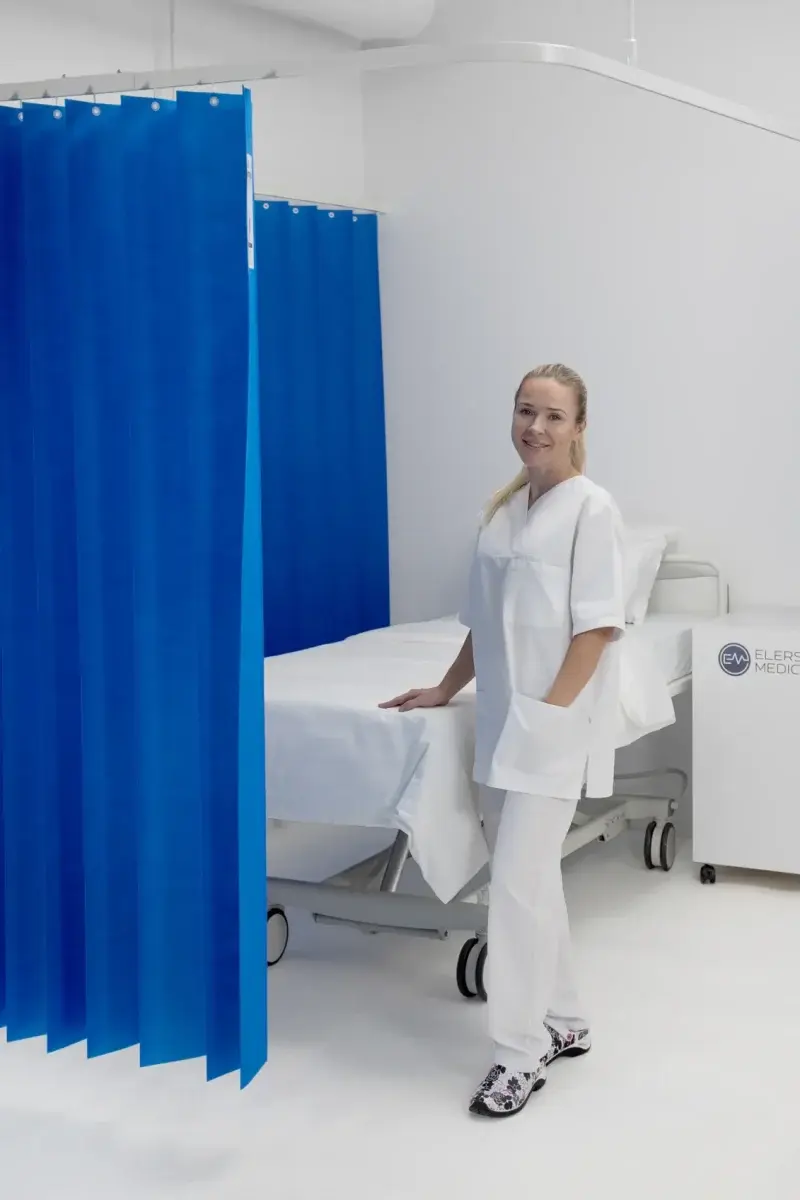
Las cortinas de separación ELERS MEDICAL® están disponibles con propiedades antimicrobianas o como cortinas estándar sin tratamiento antimicrobiano. Ambas opciones tienen las mismas propiedades ignífugas durante toda su vida útil. Las cortinas se ofrecen en una amplia gama de tamaños, cortes y colores, y hay opciones a medida bajo petición.
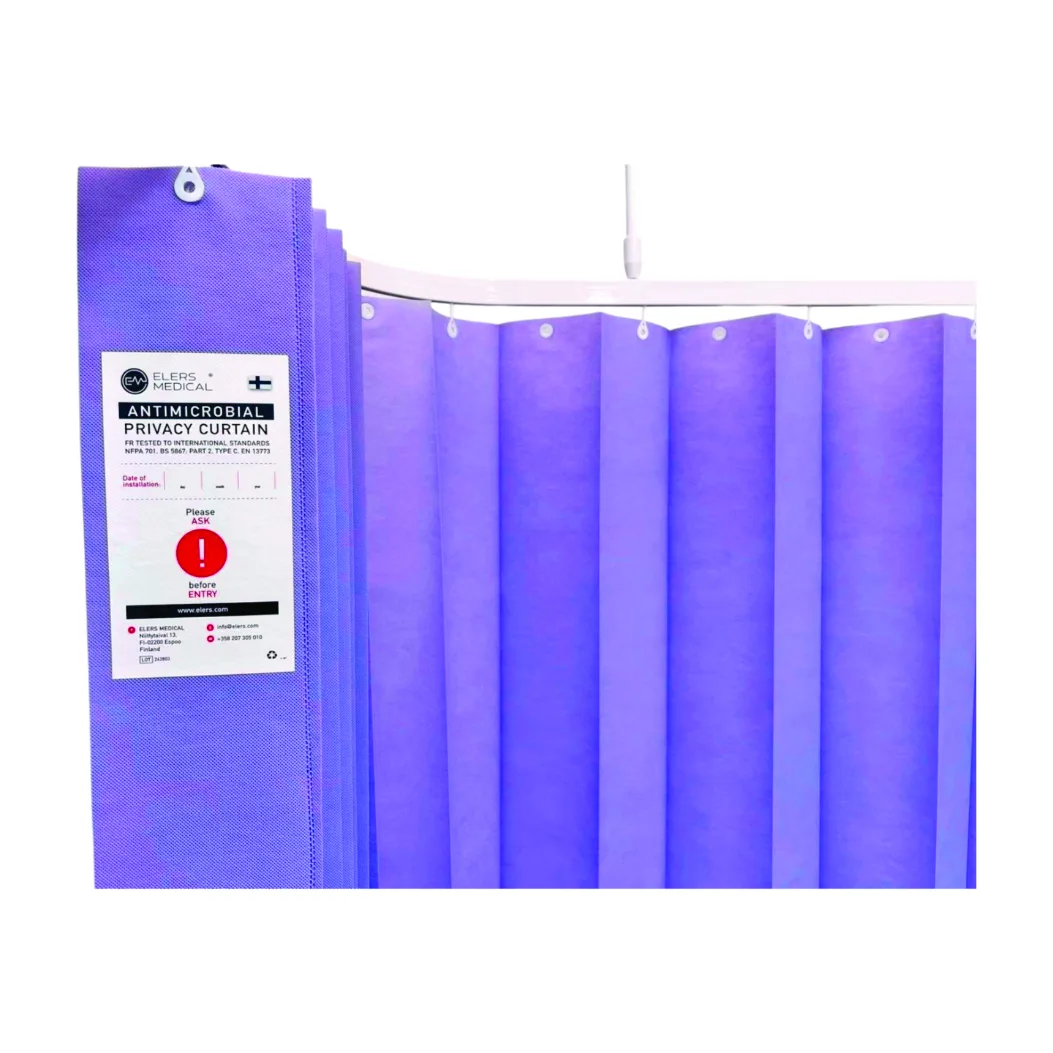
Para zonas donde la seguridad del paciente es primordial. La protección antimicrobiana se incorpora al tejido no tejido en la fabricación, y el material está ensayado según ISO 20743:2021 frente a MRSA y otros organismos durante toda la vida útil de la cortina.
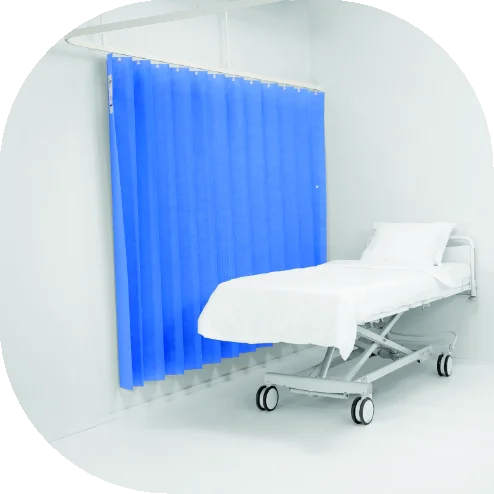
Una cortina económica para zonas de menor riesgo y alta rotación de pacientes. Mismos tamaños, colores y comportamiento frente al fuego que la cortina antimicrobiana.
Cortina opaca completa sin orificios ni partes de malla. 11 colores y el estampado de globos, todos disponibles en versión antimicrobiana y estándar.
Las perforaciones permiten que el aire circule alrededor de la cama y que funcionen los rociadores de techo. Disponible en versión antimicrobiana y estándar.
La opción adecuada para rieles fijados al techo. Disponible en versión antimicrobiana y estándar.
Diseñado y desarrollado por ELERS MEDICAL en Finlandia.
Colores y estampados estándar
Todos los colores y el estampado de globos están disponibles como cortinas antimicrobianas y estándar, en versión opaca completa, perforada y con malla superior. Hay colores y estampados a medida; se aplican cantidades mínimas de compra.
Los colores en pantalla son orientativos. Solicítenos una muestra de tejido antes de hacer el pedido.
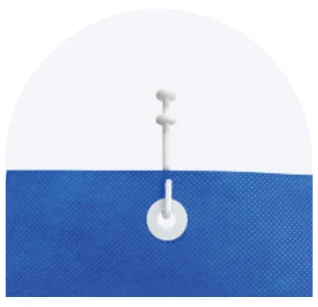
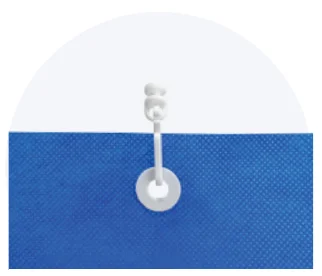
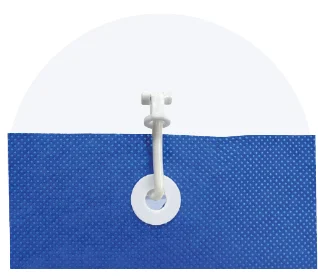
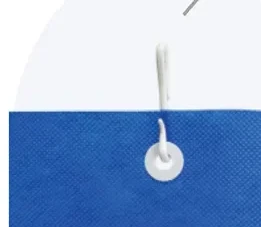
Guía de ganchos
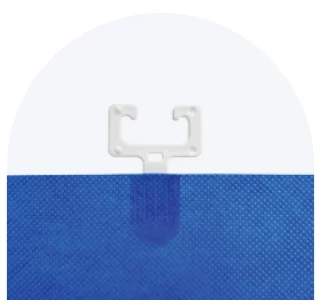
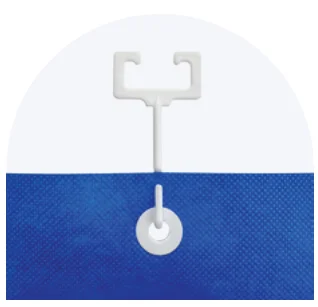
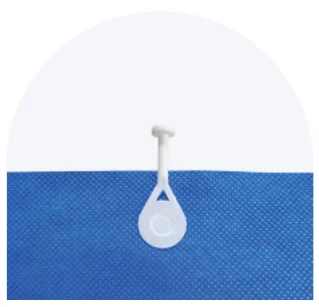
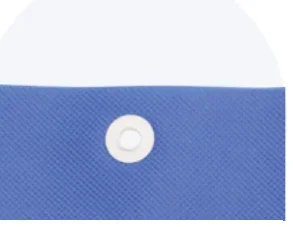
Las cortinas ELERS MEDICAL son compatibles con la mayoría de los rieles de cortina habituales en entornos sanitarios y pueden suministrarse con gancho o solo con ojal. Nuestra gama de opciones permite una integración perfecta con los sistemas de ganchos y deslizadores existentes. ¿No sabe cuál necesita? Envíenos la marca y el modelo del riel o una foto del riel y del gancho actual.
Tamaños y embalaje
Mida la longitud de riel que debe cubrir la cortina y elija la cortina cuyo ancho útil coincida. El ancho útil tiene en cuenta los pliegues cuando la cortina está colgada.
| Ancho \ caída | 2,0 m | 2,2 m | 2,4 m | 2,5 m | 2,6 m |
|---|---|---|---|---|---|
| 1.95 | 18 | 16 | 15 | 14 | 14 |
| 2.40 | 14 | 13 | 12 | 11 | 11 |
| 2.55 | 14 | 13 | 11 | 10 | 9 |
| 3.60 | 12 | 11 | 10 | 10 | 9 |
| 3.75 | 12 | 11 | 10 | 10 | 9 |
| 4.20 | 10 | 9 | 8 | 8 | 8 |
| 4.50 | 9 | 8 | 8 | 7 | 7 |
| 5.55 | 8 | 7 | 7 | 6 | 6 |
| 7.20 | 6 | 6 | 5 | 5 | 5 |
| 7.50 | 6 | 5 | 4 | 4 | 4 |
| Ancho de la cortina (m) | Ancho útil aprox. (m) |
|---|---|
| 1.95 | 1.55 |
| 2.40 | 1.80 |
| 2.55 | 2.05 |
| 3.60 | 2.80 |
| 3.75 | 2.90 |
| 4.20 | 3.40 |
| 4.50 | 3.60 |
| 5.55 | 4.30 |
| 7.20 | 5.60 |
| 7.50 | 5.75 |
Otras caídas a medida bajo petición. Peso de la caja aprox. 10,5 kg. Dimensiones de la caja 120 × 16,5 × 40 cm.
Guía de instalación
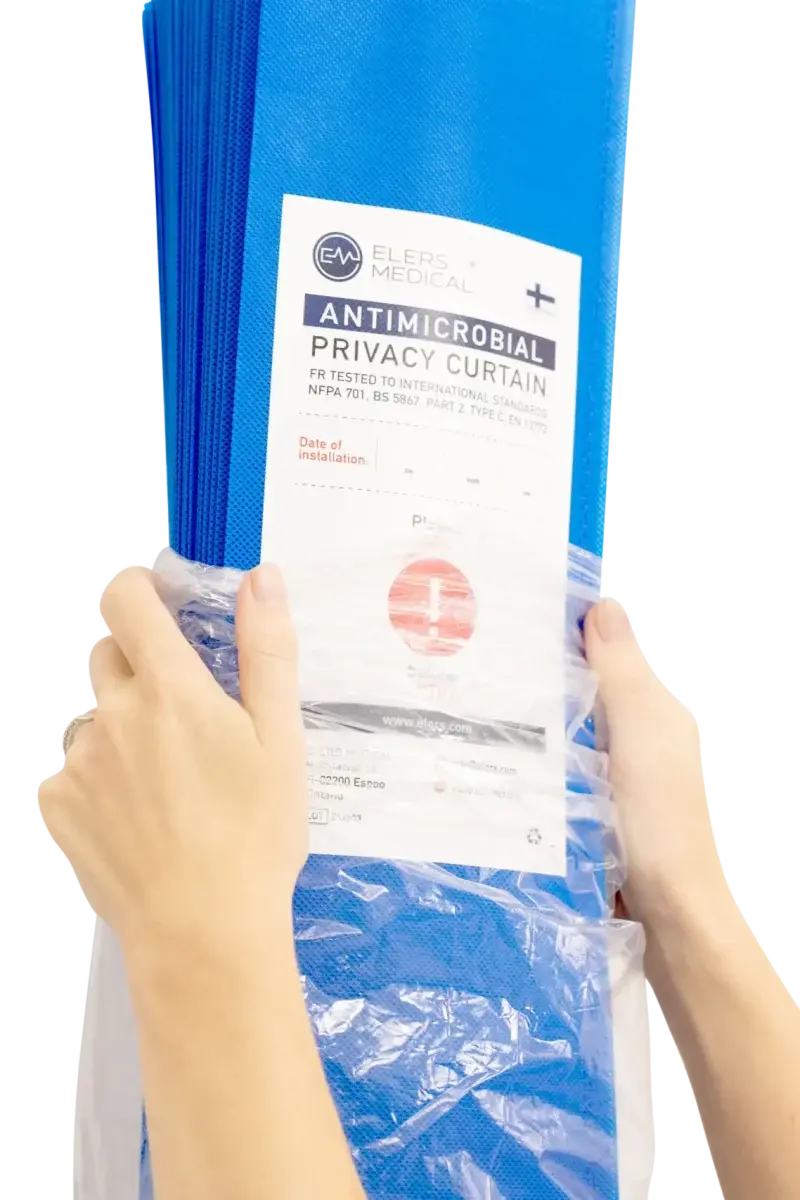
Baje la funda de plástico para dejar a la vista la etiqueta de autocontrol y escriba la fecha de instalación.
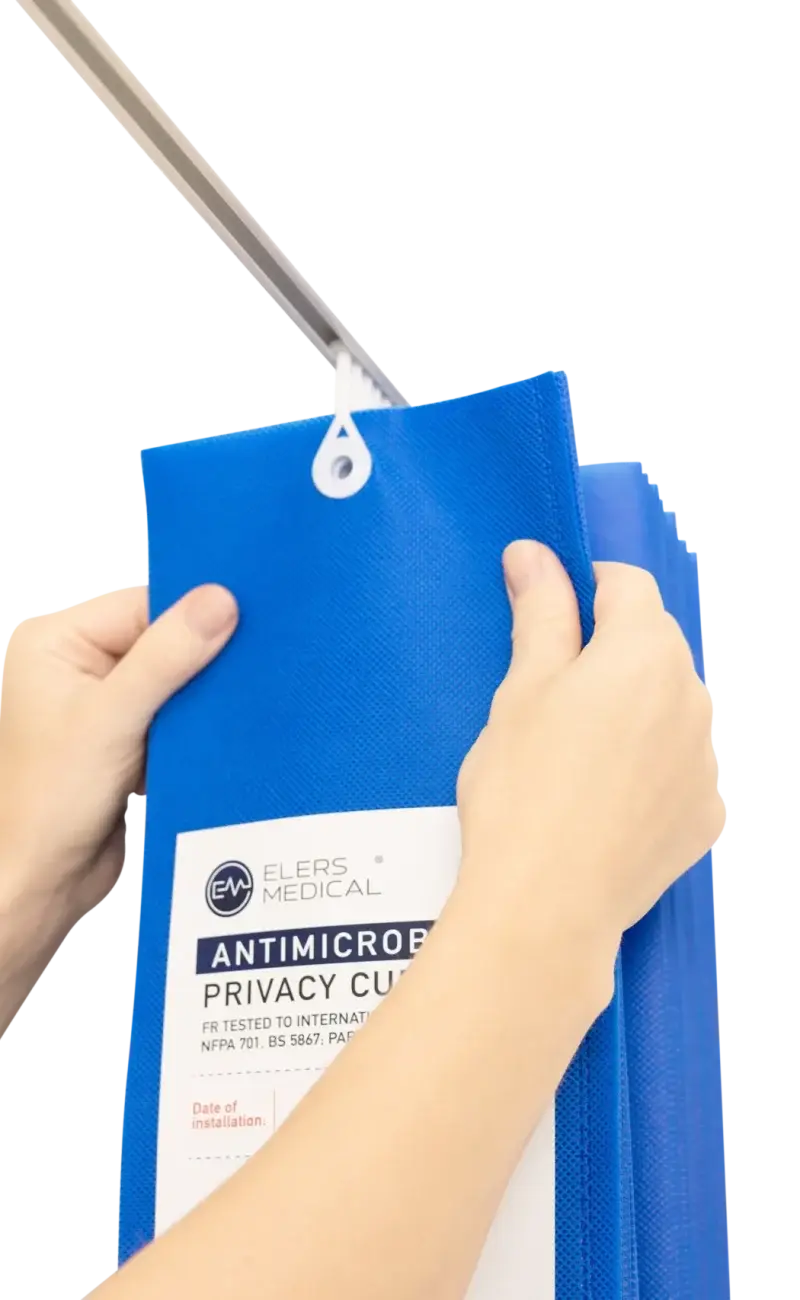
Coloque los ganchos directamente en el riel. Las cortinas se suministran según sus necesidades, con ganchos o solo con ojales.
Retire por completo la funda de plástico una vez colgada la cortina.
Almacene las cortinas en un lugar seco a temperatura ambiente normal, con la caja en posición vertical.
Recomendamos sustituir las cortinas cada 6 a 12 meses, o inmediatamente si se ensucian o contaminan de forma visible. Las directrices de su hospital determinan el calendario definitivo.
El tejido de la cortina es polipropileno (PP) y los ganchos y ojales son de plástico. Las cortinas pueden reciclarse o eliminarse según los protocolos locales del hospital.
Ensayado de forma independiente
Ensayado según ISO 20743:2021, el material antimicrobiano de la cortina reduce una amplia gama de patógenos en más de log 3 (99,9 %).
Otros ensayos disponibles bajo petición.
Valor antibacteriano (A): 2 ≤ A < 3 significativo, A ≥ 3 fuerte. Ensayos realizados en condiciones de laboratorio. Resultados completos bajo petición.
Ignífuga durante toda la vida útil de la cortina.
Investigación publicada
Las cortinas de separación se tocan constantemente y rara vez se cambian. Estos estudios revisados por pares muestran lo rápido que se contaminan las cortinas corrientes y qué aportan los materiales antimicrobianos a base de plata.
“By day 3, test curtains showed increased microbial contamination (mean colony-forming units [CFU]/cm2 = 1.17) compared to control curtains (mean CFU/cm2 = 0.19). Test curtains became increasingly contaminated over time, with mean CFU/cm2 for days 17 and 21 of 1.86 and 5.11, respectively. By day 10, 1/8 test curtains tested positive for MRSA, and 5/8 were positive by day 14. Patient privacy curtains became progressively contaminated with bacteria, including MRSA. Between days 10 and 14 after being hung, curtains showed increased MRSA positivity. This may represent an opportune time to intervene, either by cleaning or replacing the curtains.”
“There was a statistically significant difference for the contact (t = 2.10, P =.047) and noncontact (t = 2.62, P =.016) rooms, with the edges having a significantly higher median than the middles. Pathogens such as methicillin-resistant Staphylococcus aureus, Enterococcus, Klebsiella, and Acinetobacter were found on the curtains, though at lower rates than in previous studies. Opportunistic fungi were also found on all curtains. Conclusions: Results of this study confirm that hospital curtains, most notably the edge but also the middle, are contaminated with pathogens, and that these areas are frequently touched by health care workers in between hand hygiene.”
“The cumulative contamination rate of the hospital privacy curtains increased over time (week 2: 15.6%, week 4: 37.0%, and week 8: 55%). Methicillin-resistant Staphylococcus aureus was not isolated from either the control or the hospital curtains during the study period. Vancomycin-resistant enterococci was not isolated from the control curtains but was isolated from 11.8% (4/34) of the hospital curtains. The contamination rate of the hospital curtains increased over time and showed a tendency to rise with an increase in the number of beds in a room.”
“Participants hands were heavily contaminated at baseline, in some cases with potentially pathogenic species. Half of the participants (n=30) acquired bacteria on their fingertips from handling curtains, illustrating that privacy curtains may be involved in the transmission of infection to emergency department patients.”
“In a culture survey (n=50), we found that 42% of hospital privacy curtains were contaminated with a antibiotic-resistant enterococci, 22% with methicillin-resistant Staphylococcus aureus, and 4% with Clostridium difficile. Hand imprint cultures demonstrated that these pathogens were easily acquired on hands. Hospital curtains are a potential source for dissemination of healthcare-associated pathogens.”
“From 32 curtains sampled, a total of 59 isolations were obtained, from those, 47 (79.6%) were considered potentially clinically relevant (Table 2), highlighting bacteria as Methicillin-resistant S. haemolyticus (MRSH), Methicillin-resistant S. cohnii (MRSC), MRSE, Methicillin-resistant S. saprophyticus (MRSS), Moraxella sp., Acinetobacter ursingii, AMP-C producer Pseudomonas oryzihabitans, Pantoea agglomerans, and Sphingomonas paucimobilis… There are significant opportunities to reduce patient exposure to frequently pathogenic bacteria in the hospital setting; patients are likely exposed to many bacteria through direct contact with white coats, curtains, and ties.”
“Twelve of 13 curtains (92%) placed during the study showed contamination within 1 week. Forty-one of 43 curtains (95%) demonstrated contamination on at least 1 occasion, including 21% with MRSA and 42% with VRE. Eight curtains yielded VRE at multiple time points: 3 with persistence of a single isolate type and 5 with different types, suggesting frequent recontamination. Privacy curtains are rapidly contaminated with potentially pathogenic bacteria.”
“Privacy curtain contamination on the burns/plastic surgery ward was determined for two separate occasions six months apart: 23 curtains on August 2015 and 26 curtains on January 2016… Curtain contamination in August 2015 was 0.7–4.7 cfu/cm2 with 22% testing positive for MRSA, whereas contamination on January 2016 was 0.6–13.3 cfu/cm2 with 31% of curtains testing positive for MRSA. Curtains on the burns/plastic surgery ward become colonized with significant quantities of bacteria.”
“Environmental screening revealed the presence of the multiple-resistant Acinetobacter species on fomite surfaces in the intensive care unit and bed linen. The major source appeared to be the curtains surrounding patients' beds. Typing by pulsed field gel electrophoresis demonstrated that the patients' isolates and those from the environment were indistinguishable… This outbreak also highlights environmental sources, particularly dry fabrics such as curtains, as an important reservoir for dissemination of acinetobacters.”
“The purpose of this study was to determine the survival of 22 gram-positive bacteria (vancomycin-sensitive and -resistant enterococci and methicillin-sensitive and -resistant staphylococci) on five common hospital materials: smooth 100% cotton (clothing), 100% cotton terry (towels), 60% cotton–40% polyester blend (scrub suits and lab coats), 100% polyester (privacy drapes), and 100% polypropylene plastic (splash aprons)… All isolates survived for at least 1 day, and some survived for more than 90 days on the various materials… The long survival of these bacteria, including MRSA and VRE, on commonly used hospital fabrics, such as scrub suits, lab coats, and hospital privacy drapes, underscores the need for meticulous contact control procedures and careful disinfection to limit the spread of these bacteria.”
“Curtains in the experimental group demonstrated significantly lower bacterial contamination than controls at all time points (P < .001). Peak contamination in the control group reached 2.1 CFU/cm² at day 30, whereas experimental curtains maintained contamination below 0.2 CFU/cm² throughout. Cost analysis revealed a 59.42% reduction in cumulative curtain-related expenditures in the experimental group. Antimicrobial disposable curtains offer superior microbial control and substantial cost savings. Integration of such curtains into infection prevention protocols may enhance environmental hygiene and resource optimization in critical care settings.”
“Bacteria were exposed to the silver ion solution for various lengths of time, and the antibacterial effect of the solution was tested… Reductions of more than 5 log10 CFU/ml of both S. aureus and E. coli bacteria were confirmed after 90 min of treatment with the silver ion solution. Significant reduction of S. aureus and E. coli cells was also observed by FC analysis… In conclusion, the results of the present study suggest that silver ions may cause S. aureus and E. coli bacteria to reach an ABNC state and eventually die.”
“A declining pipeline of clinically useful antibiotics has made it imperative to develop more effective antimicrobial therapies, particularly against difficult-to-treat Gram-negative pathogens. Silver has been used as an antimicrobial since antiquity, yet its mechanism of action remains unclear. We show that silver disrupts multiple bacterial cellular processes, including disulfide bond formation, metabolism, and iron homeostasis. These changes lead to increased production of reactive oxygen species and increased membrane permeability of Gram-negative bacteria that can potentiate the activity of a broad range of antibiotics against Gram-negative bacteria in different metabolic states, as well as restore antibiotic susceptibility to a resistant bacterial strain… This work shows that silver can be used to enhance the action of existing antibiotics against Gram-negative bacteria, thus strengthening the antibiotic arsenal for fighting bacterial infections.”
“The resulting silver sulfadiazine–immobilized celluloses provided a 6-log reduction of 10^8 CFU mL−1 of Staphylococcus aureus (Gram-positive bacteria), Escherichia coli (Gram-negative bacteria), methicillin-resistant Staphylococcus aureus (drug-resistant bacteria), vancomycin-resistant Enterococcus faecium (drug-resistant bacteria), and Candida albicans (fungi) in 30–60 minutes, and a 5-log reduction of 10^7 PFU mL−1 of MS2 virus in 120 minutes. The antibacterial, antifungal, and antiviral activities were both durable and rechargeable. Additionally, trypan blue assay suggested that the new silver sulfadiazine–immobilized celluloses sustained excellent mammal cell viability, pointing to great potentials of the new materials for a broad range of health care–related applications.”
ELERS MEDICAL®
Elers Medical Finland Oy cuenta con dos certificados de sistemas de gestión: ISO 9001:2015 e ISO 14001:2015 de gestión ambiental.
Mida la longitud de riel que desea cubrir y utilice el ancho útil una vez colgada para elegir una cortina que cubra lo suficiente con los pliegues. Los anchos estándar van de 1,95 m a 7,50 m y las caídas de 2,0 m a 2,6 m. Una cortina de 1,95 m cubre unos 1,55 m de riel y una de 7,50 m unos 5,75 m. Hay anchos y caídas a medida bajo petición; pueden aplicarse cantidades mínimas y plazos de entrega más largos.
Las cortinas ELERS MEDICAL se adaptan a la mayoría de los sistemas de rieles hospitalarios con el gancho adecuado. Hay una opción solo con ojales para usar con ganchos existentes compatibles. Si no está seguro de qué fijación pedir, envíenos la marca y el modelo del riel o una foto del riel y del gancho existente, y le ayudaremos a identificar la fijación correcta.
Sí. ELERS MEDICAL utiliza un aditivo ignífugo sin halógenos en el tejido de las cortinas. La documentación sobre el comportamiento frente al fuego está disponible bajo petición, incluidos los resultados de ensayo según BS 5867-2:2008 Type C y NFPA 701, y la clasificación según EN 13773.
El tratamiento está diseñado para inhibir el crecimiento bacteriano en el tejido de la cortina. El tejido se ha ensayado según ISO 20743, un método de ensayo internacional para medir la actividad antibacteriana en textiles. La documentación de los ensayos está disponible bajo petición.
ELERS MEDICAL recomienda sustituir las cortinas cada 6 a 12 meses, o antes si así lo exige la política de prevención y control de infecciones de su hospital. Siga el calendario local de sustitución de cada área clínica. Sustituya las cortinas de inmediato si se contaminan visiblemente con sangre u otros fluidos corporales.
Cada cortina tiene una etiqueta de autocontrol en el pliegue delantero donde el personal puede anotar la fecha de colocación. Con esa fecha se puede comprobar cuándo se cambió la cortina por última vez y calcular cuándo toca la siguiente sustitución rutinaria.
La gama incluye Pacific Blue, Summer Blue, Light Blue, Light Green, Pastel Yellow, Latte, Forest Green, Battleship Grey, Lilac, Pink, White y Balloon Print. Puede haber otros colores bajo petición, sujetos a cantidades mínimas y plazos de entrega.
Siga la política de residuos de su hospital y los procedimientos locales de prevención y control de infecciones al retirar y eliminar las cortinas usadas, y utilícelos para determinar el flujo de residuos adecuado, por ejemplo residuos sanitarios o residuos generales. El tejido de la cortina es 100 % polipropileno. Que una cortina usada pueda reciclarse depende de su clasificación como residuo y de lo que establezca su gestor de residuos o la política local de control de infecciones.
Indíquenos qué cortinas necesita y le enviaremos un presupuesto.