نظافة
تُصنع ستائر ELERS MEDICAL المضادة للميكروبات بمادة مضافة مضادة للميكروبات مثبتة الفعالية مدمجة في الألياف، تساعد على خفض الحمل البكتيري على سطح القماش. وقد ثبتت فعالية قماش الستائر ضد كائنات عدة مثل MRSA وStaphylococcus aureus وKlebsiella pneumoniae وEscherichia coli، واختُبرت فعالية الستائر اختبارًا مستقلًا وفق المعيار الدولي للمنسوجات المضادة للميكروبات ISO 20743:2021. مجموعة متكاملة من المنتجات
تتوفر الستائر المضادة للميكروبات والقياسية (غير المعالجة) بتشكيلة واسعة من المقاسات والألوان. دعم التنمية المستدامة وداعًا لعمليات الغسيل المستهلكة للوقت والمياه والمنظفات.
آمنة
أكثر أمانًا للمرضى والعاملين والزوار. الستائر مطابقة ومسجلة وفق لوائح REACH وECHA، ومسجلة لدى EPA في الولايات المتحدة. وتُصنع في ظل نظام إدارة الجودة المعتمد ISO 9001:2015 ونظام الإدارة البيئية ISO 14001:2015.
استبدال سهل وسريع
تحسّن الستائر ذات الاستعمال الواحد النظافة في المستشفى دون عمليات غسيل، فتوفر الوقت والموارد. وتتوفر مجموعة واسعة من أنظمة التعليق المتوافقة مع معظم أنظمة القضبان الشائعة.
حل اقتصادي
تُستبدل الستائر ذات الاستعمال الواحد بدلًا من غسلها، فلا غسيل ولا تجفيف ولا تخزين للستائر القابلة لإعادة الاستخدام.
فعالة من حيث التكلفة
لا غسيل ولا نفقات رأسمالية أولية مكلفة. ووفورات كبيرة مقارنة بالستائر النسيجية التقليدية.
اعتمادات دولية لمقاومة الاشتعال (FR)
ستائر فصل الأسرّة المضادة للميكروبات والقياسية كلتاهما مقاومة للاشتعال (FR) بطبيعة مادتها، وتبقى خصائص مقاومة الاشتعال ثابتة طوال دورة حياة المنتج. وقد اختُبرت هذه الخصائص وفق المعايير EN 13773 وBS 5867: Part 2 Type C وNFPA 701.
تتبّع سهل
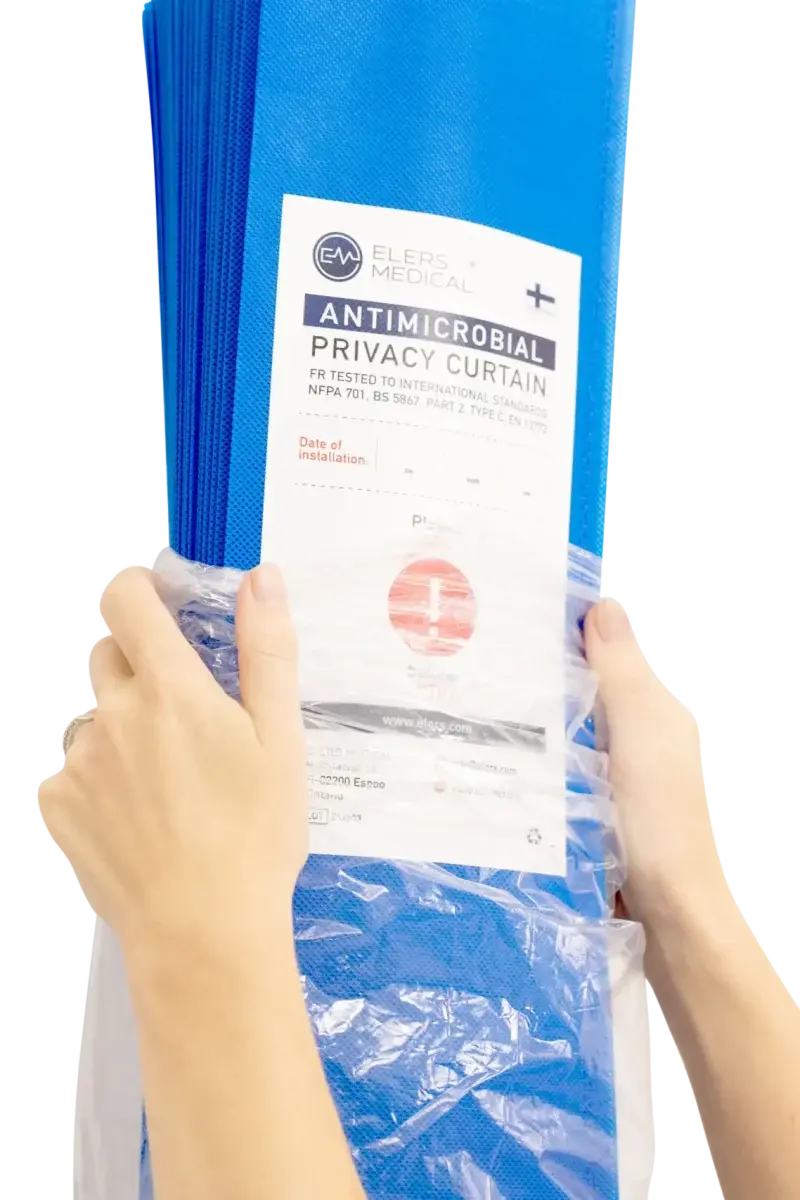
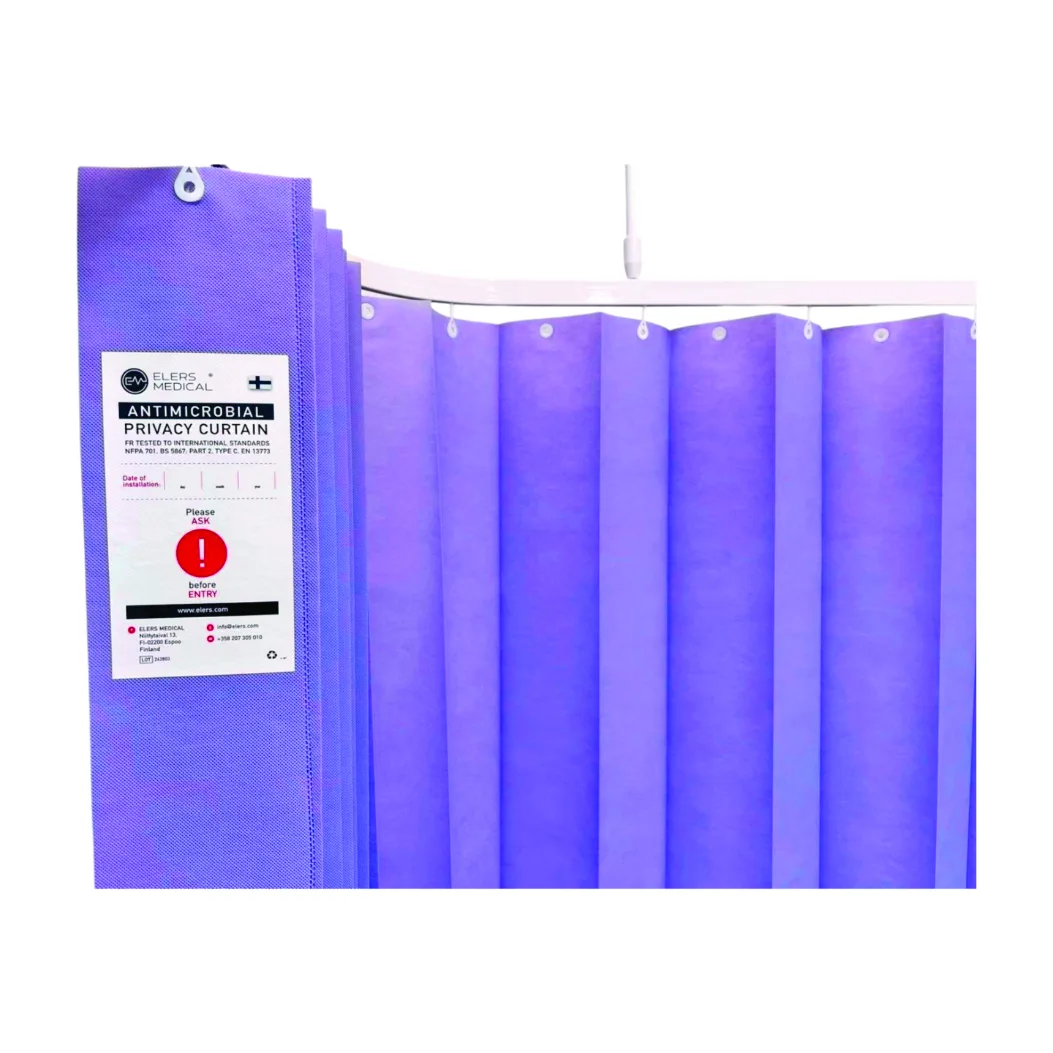
ملصقات للتدقيق الذاتي والخصوصية مثبتة بالحرارة، تحمل رقم تعريف فريدًا لإمكانية التتبع.
قابلة لإعادة التدوير وصديقة للبيئة
نستخدم في التصنيع ما بين 10 و20% من المواد المعاد تدويرها، ويمكن إعادة تدوير المنتج بنسبة تصل إلى 100% بعد انتهاء عمره الافتراضي.
المستشفيات والعيادات الوحدات الصحية والعيادات الخارجية دور رعاية المسنين ومرافق المعيشة المساعدة غرف العمليات وأقسام الأمراض المعدية
هل تحتاجون أيضًا إلى خيار قائم بذاته أو مثبّت على الجدار؟ اطّلعوا على فواصل الخصوصية المتحركة والجدارية.
تشكيلة الستائر
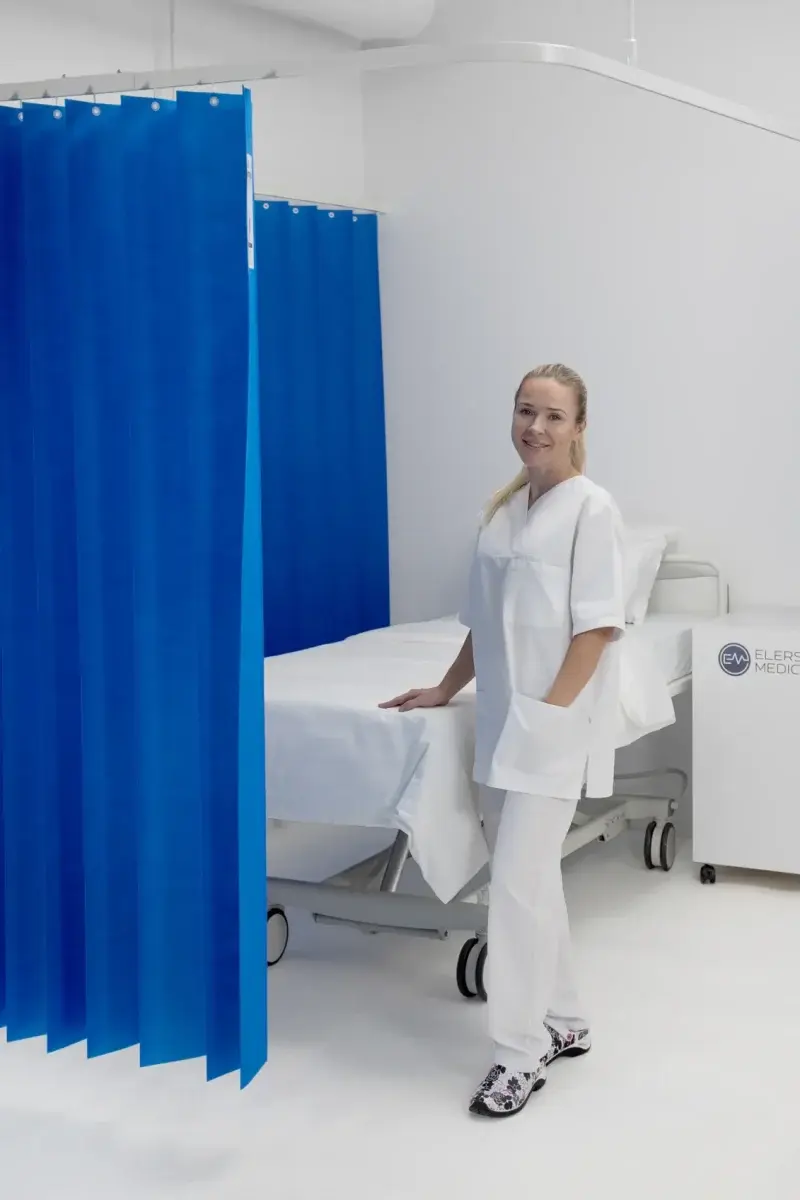
تتوفر ستائر فصل الأسرّة من ELERS MEDICAL® بخصائص مضادة للميكروبات أو كستائر قياسية دون معالجة مضادة للميكروبات. ويتمتع الخياران بخصائص مقاومة الاشتعال نفسها طوال دورة حياتهما. وتتوفر الستائر بتشكيلة واسعة من المقاسات والقصّات والألوان، مع خيارات حسب الطلب.
للمناطق التي تكون فيها سلامة المرضى أولوية قصوى. تُدمج الحماية المضادة للميكروبات في القماش غير المنسوج أثناء التصنيع، والمادة مختبرة وفق ISO 20743:2021 ضد MRSA وكائنات أخرى طوال دورة حياة الستارة.
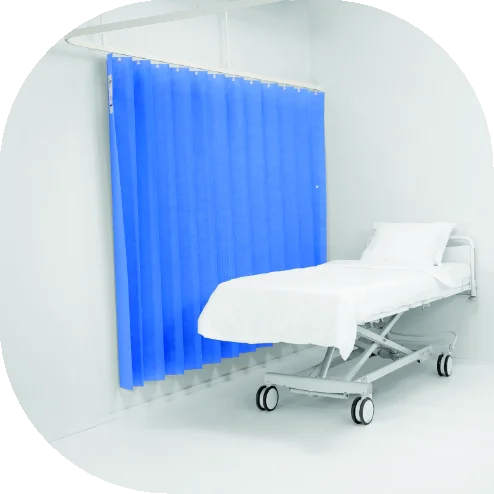
ستارة منخفضة التكلفة للمناطق الأقل خطورة وذات معدل تبدّل المرضى المرتفع. بالمقاسات والألوان والأداء في مواجهة الحريق نفسها التي تتمتع بها الستارة المضادة للميكروبات.
ستارة كاملة التغطية دون فتحات أو أجزاء شبكية. 11 لونًا ونقشة البالونات المطبوعة، وجميعها متوفرة بنسختين مضادة للميكروبات وقياسية.
تتيح الثقوب دوران الهواء حول منطقة السرير وتسمح بعمل أنظمة الرش المثبتة في السقف. متوفرة بنسختين مضادة للميكروبات وقياسية.
الخيار المناسب للقضبان المثبتة في السقف. متوفرة بنسختين مضادة للميكروبات وقياسية.
من تصميم وتطوير ELERS MEDICAL في فنلندا.
الألوان والنقشات القياسية
كل لون ونقشة البالونات متوفرة كستائر مضادة للميكروبات وقياسية، بقصّات كاملة التغطية ومثقّبة وبجزء علوي شبكي. وتتوفر ألوان وطبعات حسب الطلب، مع تطبيق حد أدنى لكميات الشراء.
الألوان المعروضة على الشاشة تقريبية. اطلبوا منا عينة قماش قبل الطلب.
دليل الخطاطيف
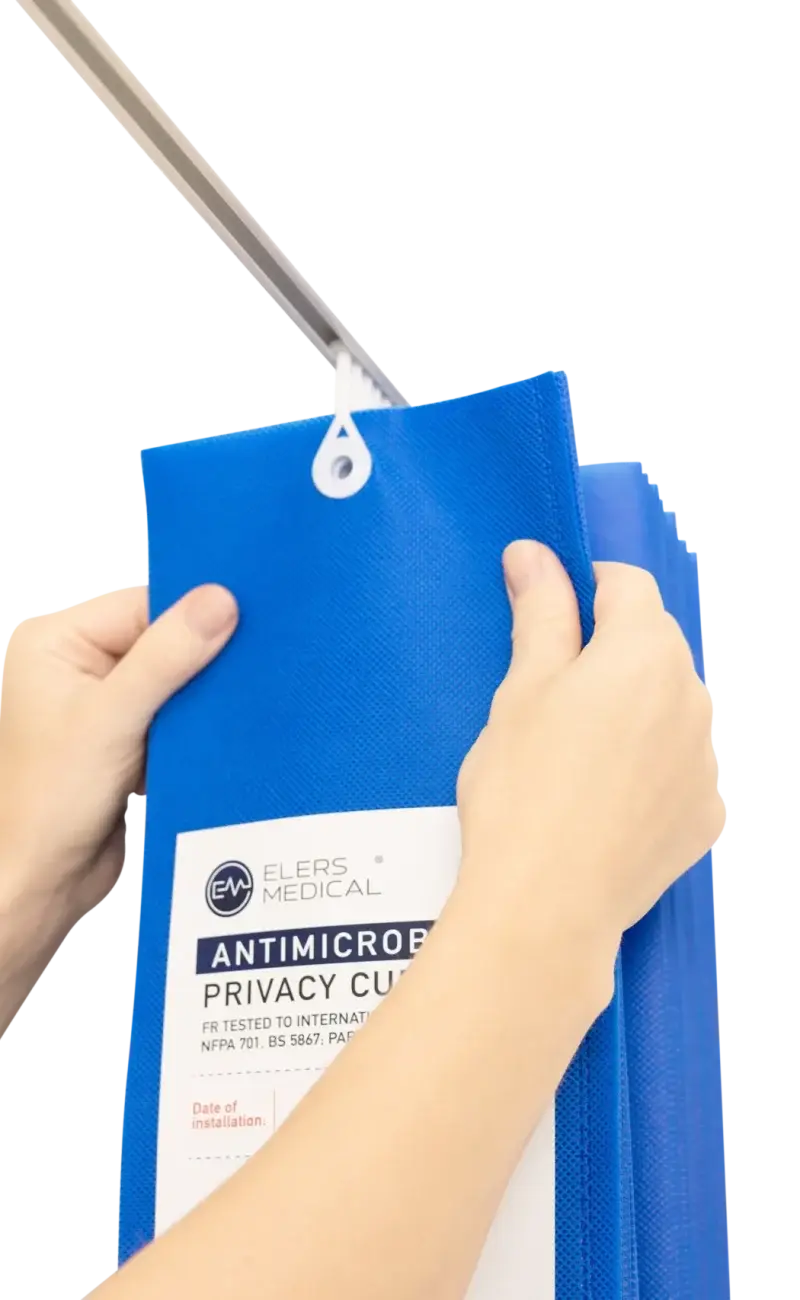
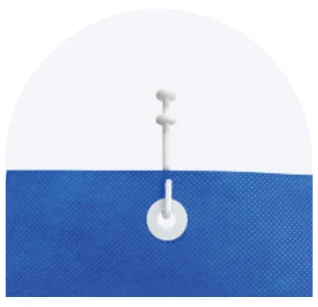
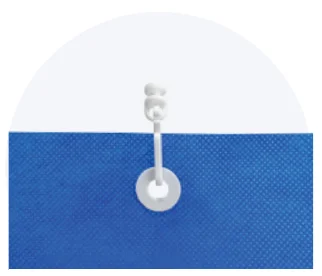
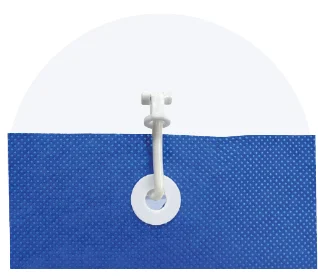
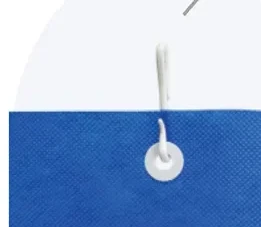
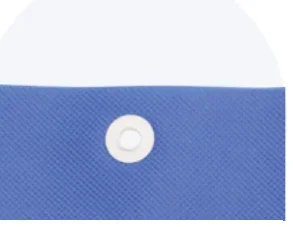
ستائر ELERS MEDICAL متوافقة مع معظم قضبان الستائر الشائعة في بيئات الرعاية الصحية، ويمكن توريدها بخطّاف أو بعروة معدنية فقط. وتتيح خياراتنا اندماجًا سلسًا مع أنظمة الخطاطيف والمنزلقات الحالية. لستم متأكدين مما تحتاجونه؟ أرسلوا إلينا اسم الشركة المصنعة للقضيب وطرازه، أو صورة للقضيب والخطّاف الحالي.
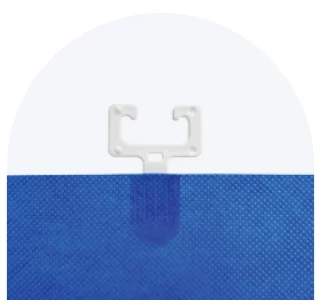
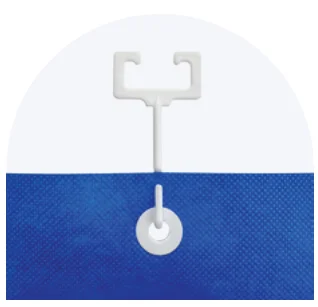
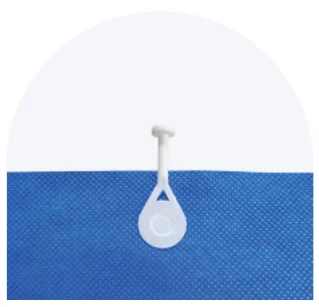
المقاسات والتعبئة
قيسوا طول القضيب الذي يجب أن تغطيه الستارة، واختاروا الستارة التي يطابق عرضها الصافي هذا الطول. ويراعي العرض الصافي الطيّات عند تعليق الستارة.
| العرض \ الطول | 2.0 m | 2.2 m | 2.4 m | 2.5 m | 2.6 m |
|---|---|---|---|---|---|
| 1.95 | 18 | 16 | 15 | 14 | 14 |
| 2.40 | 14 | 13 | 12 | 11 | 11 |
| 2.55 | 14 | 13 | 11 | 10 | 9 |
| 3.60 | 12 | 11 | 10 | 10 | 9 |
| 3.75 | 12 | 11 | 10 | 10 | 9 |
| 4.20 | 10 | 9 | 8 | 8 | 8 |
| 4.50 | 9 | 8 | 8 | 7 | 7 |
| 5.55 | 8 | 7 | 7 | 6 | 6 |
| 7.20 | 6 | 6 | 5 | 5 | 5 |
| 7.50 | 6 | 5 | 4 | 4 | 4 |
| عرض الستارة (م) | العرض الصافي التقريبي (م) |
|---|---|
| 1.95 | 1.55 |
| 2.40 | 1.80 |
| 2.55 | 2.05 |
| 3.60 | 2.80 |
| 3.75 | 2.90 |
| 4.20 | 3.40 |
| 4.50 | 3.60 |
| 5.55 | 4.30 |
| 7.20 | 5.60 |
| 7.50 | 5.75 |
تتوفر أطوال أخرى حسب الطلب. وزن الكرتونة نحو 10.5 كغ. أبعاد الكرتونة 120 × 16.5 × 40 سم.
دليل التركيب
اسحبوا الغلاف البلاستيكي إلى الأسفل لإظهار ملصق التدقيق الذاتي، واكتبوا تاريخ التركيب.
ضعوا الخطاطيف مباشرة على القضيب. تُورَّد الستائر حسب متطلباتكم، بخطاطيف أو بعرى معدنية فقط.
انزعوا الغلاف البلاستيكي بالكامل بعد تعليق الستارة.
خزّنوا الستائر في مكان جاف في درجة حرارة الغرفة العادية، مع وضع الكرتونة بشكل عمودي.
نوصي باستبدال الستائر كل 6 إلى 12 شهرًا، أو فورًا إذا اتسخت أو تلوثت بشكل ظاهر. وتحدد إرشادات مستشفاكم الجدول النهائي.
قماش الستارة من البولي بروبيلين (PP)، والخطاطيف والعرى من البلاستيك. ويمكن إعادة تدوير الستائر أو التخلص منها وفق بروتوكولات المستشفى المحلية.
مختبرة اختبارًا مستقلًا
وفق اختبارات ISO 20743:2021، تخفّض مادة الستارة المضادة للميكروبات طيفًا واسعًا من مسببات الأمراض بأكثر من log 3 (99.9%).
تتوفر اختبارات إضافية عند الطلب.
القيمة المضادة للبكتيريا (A): 2 ≤ A < 3 ملحوظة، A ≥ 3 قوية. أُجريت الاختبارات في ظروف مخبرية. النتائج الكاملة متوفرة عند الطلب.
مقاومة للاشتعال طوال عمر الستارة.
الأبحاث المنشورة
تُلمس ستائر فصل الأسرّة باستمرار ونادرًا ما تُستبدل. وتُظهر هذه الدراسات المحكّمة مدى سرعة تلوث الستائر العادية، وما تفعله المواد المضادة للميكروبات القائمة على الفضة حيال ذلك.
“By day 3, test curtains showed increased microbial contamination (mean colony-forming units [CFU]/cm2 = 1.17) compared to control curtains (mean CFU/cm2 = 0.19). Test curtains became increasingly contaminated over time, with mean CFU/cm2 for days 17 and 21 of 1.86 and 5.11, respectively. By day 10, 1/8 test curtains tested positive for MRSA, and 5/8 were positive by day 14. Patient privacy curtains became progressively contaminated with bacteria, including MRSA. Between days 10 and 14 after being hung, curtains showed increased MRSA positivity. This may represent an opportune time to intervene, either by cleaning or replacing the curtains.”
“There was a statistically significant difference for the contact (t = 2.10, P =.047) and noncontact (t = 2.62, P =.016) rooms, with the edges having a significantly higher median than the middles. Pathogens such as methicillin-resistant Staphylococcus aureus, Enterococcus, Klebsiella, and Acinetobacter were found on the curtains, though at lower rates than in previous studies. Opportunistic fungi were also found on all curtains. Conclusions: Results of this study confirm that hospital curtains, most notably the edge but also the middle, are contaminated with pathogens, and that these areas are frequently touched by health care workers in between hand hygiene.”
“The cumulative contamination rate of the hospital privacy curtains increased over time (week 2: 15.6%, week 4: 37.0%, and week 8: 55%). Methicillin-resistant Staphylococcus aureus was not isolated from either the control or the hospital curtains during the study period. Vancomycin-resistant enterococci was not isolated from the control curtains but was isolated from 11.8% (4/34) of the hospital curtains. The contamination rate of the hospital curtains increased over time and showed a tendency to rise with an increase in the number of beds in a room.”
“Participants hands were heavily contaminated at baseline, in some cases with potentially pathogenic species. Half of the participants (n=30) acquired bacteria on their fingertips from handling curtains, illustrating that privacy curtains may be involved in the transmission of infection to emergency department patients.”
“In a culture survey (n=50), we found that 42% of hospital privacy curtains were contaminated with a antibiotic-resistant enterococci, 22% with methicillin-resistant Staphylococcus aureus, and 4% with Clostridium difficile. Hand imprint cultures demonstrated that these pathogens were easily acquired on hands. Hospital curtains are a potential source for dissemination of healthcare-associated pathogens.”
“From 32 curtains sampled, a total of 59 isolations were obtained, from those, 47 (79.6%) were considered potentially clinically relevant (Table 2), highlighting bacteria as Methicillin-resistant S. haemolyticus (MRSH), Methicillin-resistant S. cohnii (MRSC), MRSE, Methicillin-resistant S. saprophyticus (MRSS), Moraxella sp., Acinetobacter ursingii, AMP-C producer Pseudomonas oryzihabitans, Pantoea agglomerans, and Sphingomonas paucimobilis… There are significant opportunities to reduce patient exposure to frequently pathogenic bacteria in the hospital setting; patients are likely exposed to many bacteria through direct contact with white coats, curtains, and ties.”
“Twelve of 13 curtains (92%) placed during the study showed contamination within 1 week. Forty-one of 43 curtains (95%) demonstrated contamination on at least 1 occasion, including 21% with MRSA and 42% with VRE. Eight curtains yielded VRE at multiple time points: 3 with persistence of a single isolate type and 5 with different types, suggesting frequent recontamination. Privacy curtains are rapidly contaminated with potentially pathogenic bacteria.”
“Privacy curtain contamination on the burns/plastic surgery ward was determined for two separate occasions six months apart: 23 curtains on August 2015 and 26 curtains on January 2016… Curtain contamination in August 2015 was 0.7–4.7 cfu/cm2 with 22% testing positive for MRSA, whereas contamination on January 2016 was 0.6–13.3 cfu/cm2 with 31% of curtains testing positive for MRSA. Curtains on the burns/plastic surgery ward become colonized with significant quantities of bacteria.”
“Environmental screening revealed the presence of the multiple-resistant Acinetobacter species on fomite surfaces in the intensive care unit and bed linen. The major source appeared to be the curtains surrounding patients' beds. Typing by pulsed field gel electrophoresis demonstrated that the patients' isolates and those from the environment were indistinguishable… This outbreak also highlights environmental sources, particularly dry fabrics such as curtains, as an important reservoir for dissemination of acinetobacters.”
“The purpose of this study was to determine the survival of 22 gram-positive bacteria (vancomycin-sensitive and -resistant enterococci and methicillin-sensitive and -resistant staphylococci) on five common hospital materials: smooth 100% cotton (clothing), 100% cotton terry (towels), 60% cotton–40% polyester blend (scrub suits and lab coats), 100% polyester (privacy drapes), and 100% polypropylene plastic (splash aprons)… All isolates survived for at least 1 day, and some survived for more than 90 days on the various materials… The long survival of these bacteria, including MRSA and VRE, on commonly used hospital fabrics, such as scrub suits, lab coats, and hospital privacy drapes, underscores the need for meticulous contact control procedures and careful disinfection to limit the spread of these bacteria.”
“Curtains in the experimental group demonstrated significantly lower bacterial contamination than controls at all time points (P < .001). Peak contamination in the control group reached 2.1 CFU/cm² at day 30, whereas experimental curtains maintained contamination below 0.2 CFU/cm² throughout. Cost analysis revealed a 59.42% reduction in cumulative curtain-related expenditures in the experimental group. Antimicrobial disposable curtains offer superior microbial control and substantial cost savings. Integration of such curtains into infection prevention protocols may enhance environmental hygiene and resource optimization in critical care settings.”
“Bacteria were exposed to the silver ion solution for various lengths of time, and the antibacterial effect of the solution was tested… Reductions of more than 5 log10 CFU/ml of both S. aureus and E. coli bacteria were confirmed after 90 min of treatment with the silver ion solution. Significant reduction of S. aureus and E. coli cells was also observed by FC analysis… In conclusion, the results of the present study suggest that silver ions may cause S. aureus and E. coli bacteria to reach an ABNC state and eventually die.”
“A declining pipeline of clinically useful antibiotics has made it imperative to develop more effective antimicrobial therapies, particularly against difficult-to-treat Gram-negative pathogens. Silver has been used as an antimicrobial since antiquity, yet its mechanism of action remains unclear. We show that silver disrupts multiple bacterial cellular processes, including disulfide bond formation, metabolism, and iron homeostasis. These changes lead to increased production of reactive oxygen species and increased membrane permeability of Gram-negative bacteria that can potentiate the activity of a broad range of antibiotics against Gram-negative bacteria in different metabolic states, as well as restore antibiotic susceptibility to a resistant bacterial strain… This work shows that silver can be used to enhance the action of existing antibiotics against Gram-negative bacteria, thus strengthening the antibiotic arsenal for fighting bacterial infections.”
“The resulting silver sulfadiazine–immobilized celluloses provided a 6-log reduction of 10^8 CFU mL−1 of Staphylococcus aureus (Gram-positive bacteria), Escherichia coli (Gram-negative bacteria), methicillin-resistant Staphylococcus aureus (drug-resistant bacteria), vancomycin-resistant Enterococcus faecium (drug-resistant bacteria), and Candida albicans (fungi) in 30–60 minutes, and a 5-log reduction of 10^7 PFU mL−1 of MS2 virus in 120 minutes. The antibacterial, antifungal, and antiviral activities were both durable and rechargeable. Additionally, trypan blue assay suggested that the new silver sulfadiazine–immobilized celluloses sustained excellent mammal cell viability, pointing to great potentials of the new materials for a broad range of health care–related applications.”
ELERS MEDICAL®
تحمل Elers Medical Finland Oy شهادتين لنظم الإدارة: ISO 9001:2015 وISO 14001:2015 لنظم الإدارة البيئية.
قيسوا طول القضيب الذي تريدون أن تغطيه الستارة، ثم استخدموا العرض الصافي عند التعليق لاختيار ستارة تغطي بشكل كافٍ مع طيّاتها. تتراوح العروض القياسية بين 1.95 م و7.50 م، والأطوال بين 2.0 م و2.6 م. تغطي ستارة بعرض 1.95 م نحو 1.55 م من القضيب، وستارة بعرض 7.50 م نحو 5.75 م. وتتوفر عروض وأطوال حسب الطلب، وقد تُطبق حدود دنيا للطلب ومدد توريد أطول.
تناسب ستائر ELERS MEDICAL معظم أنظمة قضبان ستائر المستشفيات عند استخدام الخطّاف المناسب. ويتوفر خيار بعرى معدنية فقط للاستخدام مع الخطاطيف الحالية المتوافقة. وإن لم تكونوا متأكدين من التثبيت المطلوب، أرسلوا إلينا اسم الشركة المصنعة للقضيب وطرازه أو صورة للقضيب والخطّاف الحالي، وسنساعدكم في تحديد التثبيت الصحيح.
نعم. تستخدم ELERS MEDICAL مادة مضافة مقاومة للاشتعال خالية من الهالوجين في قماش الستائر. وتتوفر وثائق الأداء في مواجهة الحريق عند الطلب، ومنها نتائج اختبارات BS 5867-2:2008 Type C وNFPA 701، والتصنيف وفق EN 13773.
صُممت المعالجة لتثبيط نمو البكتيريا على قماش الستارة. وقد اختُبر القماش وفق ISO 20743، وهي طريقة اختبار دولية لقياس النشاط المضاد للبكتيريا في المنسوجات. وثائق الاختبار متوفرة عند الطلب.
توصي ELERS MEDICAL باستبدال الستائر كل 6 إلى 12 شهرًا، أو قبل ذلك إذا اقتضت سياسة الوقاية من العدوى ومكافحتها في مستشفاكم. اتبعوا الجدول المحلي للاستبدال في كل منطقة سريرية. واستبدلوا الستائر فورًا إذا تلوثت بشكل ظاهر بالدم أو سوائل الجسم الأخرى.
تحمل كل ستارة ملصقًا للتدقيق الذاتي على الطيّة الأمامية يكتب عليه العاملون تاريخ تعليقها. ويمكن من خلال هذا التاريخ معرفة آخر مرة تم فيها تغيير الستارة وتحديد موعد الاستبدال الدوري التالي.
تشمل التشكيلة Pacific Blue وSummer Blue وLight Blue وLight Green وPastel Yellow وLatte وForest Green وBattleship Grey وLilac وPink وWhite وBalloon Print. وقد تتوفر ألوان أخرى عند الطلب، مع مراعاة الحد الأدنى للكميات ومدد التوريد.
اتبعوا سياسة النفايات في مستشفاكم وإجراءات الوقاية من العدوى ومكافحتها المحلية عند إزالة الستائر المستعملة والتخلص منها، واستعينوا بها لتحديد مسار النفايات المناسب، مثل النفايات الطبية أو النفايات العامة. قماش الستارة مصنوع من البولي بروبيلين بنسبة 100%. وتعتمد إمكانية إعادة تدوير الستارة المستعملة على تصنيفها كنفايات وعلى ما يحدده متعهد النفايات لديكم أو سياسة مكافحة العدوى المحلية.
أخبرونا بالستائر التي تحتاجونها وسنرسل إليكم عرض سعر.